















Key Takeaways
Why Split Ends Happen and Why They Keep Coming Back: The Science and Common Causes
A Split Is a Fracture, Not a Flaw You Can Fix
Hair is made of dead keratin not living tissue. It can’t regenerate at the damaged tip. Each strand has two key layers: a cuticle and a cortex. Split ends begin when the cuticle lifts, chips, or wears away. That exposes the cortex, where the fibre can crack lengthwise into two or more pieces.

Research on hair mechanics confirms this isn’t just surface roughness. It’s a real fracture problem, with tiny cracks forming and extending along the strand. So if your ends feel frayed again soon after looking better, that’s typically not a product failure. It’s the same damaged fibre continuing to break down.
In classical Ayurvedic descriptions they recognise hair that becomes sphutita (split or broken), khara (rough), and ruksha (dry) as characteristics associated with aggravated Vata. The Ashtanga Hridaya, for example, describes Vata-dominant hair changes using these qualities which are similar to Split ends.
What Drives the Damage
The biggest culprits are repeated mechanical stress, heat, and harsh chemical processing.
Brushing through tangles, rough towel drying, tight styles, and friction from clothing or pillowcases all of these wear down the cuticle over time. Combing the hair matters more than most people realize. Tangled hair bends sharply, creating what’s called shear stress forces that make the inner parts of the strand slide against each other. Newer lab studies suggest this repeated bending and friction can create microcracks inside the fibre, especially in already damaged hair.
Heat from blow-drying or straightening worsens things by drying the shaft and making its protective layers less resilient. Bleaching, dyeing, and chemical straightening are particularly damaging because they weaken key structural bonds and the cell membrane complex (the material that helps hold hair cells together).
Why They Keep Coming Back
Once a crack forms, it tends to travel upward with each wash, combing, and bend much like a small snag spreading in fabric. Trimming removes the visibly split tip, but it doesn’t change the habits that caused the fracture or the dryness that made the strand vulnerable in the first place.
There’s another layer to this. When hair loses its natural lipid coating, the fibre absorbs and loses water unevenly. That increases swelling, roughness, and future breakage. “Sealing” products like serum may temporarily smooth things out and reduce friction, but they don’t restore the original structure.
Limit further splitting, improve feel and appearance, and protect new growth. That naturally leads to the care steps that help most.
Did You Know?
"Once a hair strand splits, no serum can permanently “glue” it back together the real goal is to stop the split from travelling further up the hair. "
Simple Split Ends Care Tips to Reduce Damage and Prevent Further Splitting
Once a strand has split, the goal isn’t true to repair its damage control. These steps work best for dry, friction-prone, or chemically treated ends, where careful handling can slow new splitting and make existing damage less obvious.
Setting Up for Gentle Care
Assess before you start. Check whether your ends feel rough, snag easily, or look white at the tips. Set up for a gentle wash: lukewarm water, a mild cleanser on the scalp only, a wide-tooth comb, and a soft cotton T-shirt or microfiber towel instead of rough rubbing.
Detangle in the least stressful order. Loosen knots with your fingers first. Then comb from the last few inches upward in small sections, especially when hair is damp and coated with conditioner. This lowers the pulling force on fragile ends, one of the main drivers of splitting.
Moisturize and Protect
Try a weekly Ayurveda-inspired hair mask. Mix 1 tablespoon amla powder with 2 tablespoons plain curd and 1 tablespoon aloe vera gel to make a smooth paste. Apply mainly to the mid-lengths and ends, leave it on for 20–30 minutes, then rinse with lukewarm water. Amla is traditionally valued in Ayurveda for hair care, while curd and aloe help soften dry, rough strands and improve manageability.
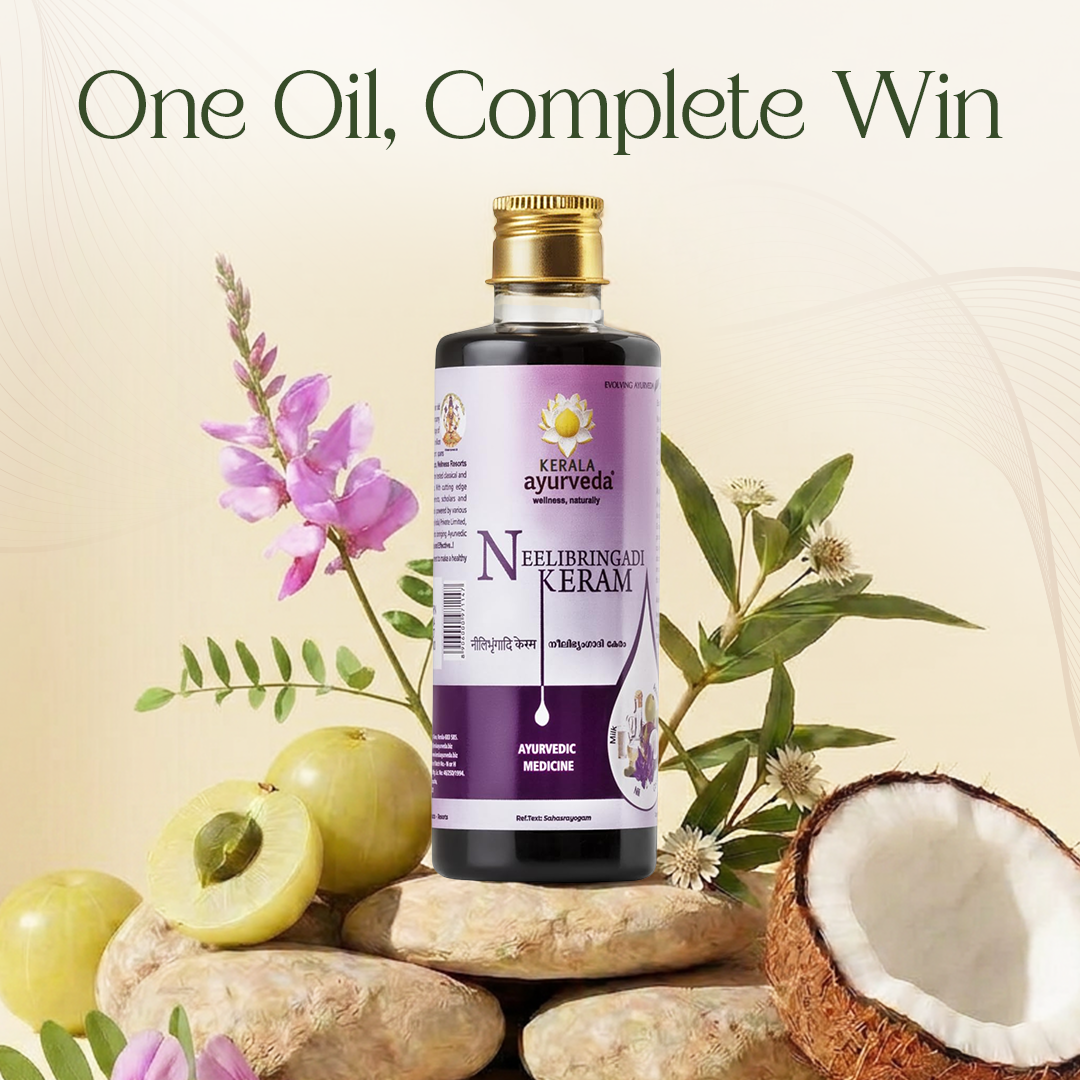
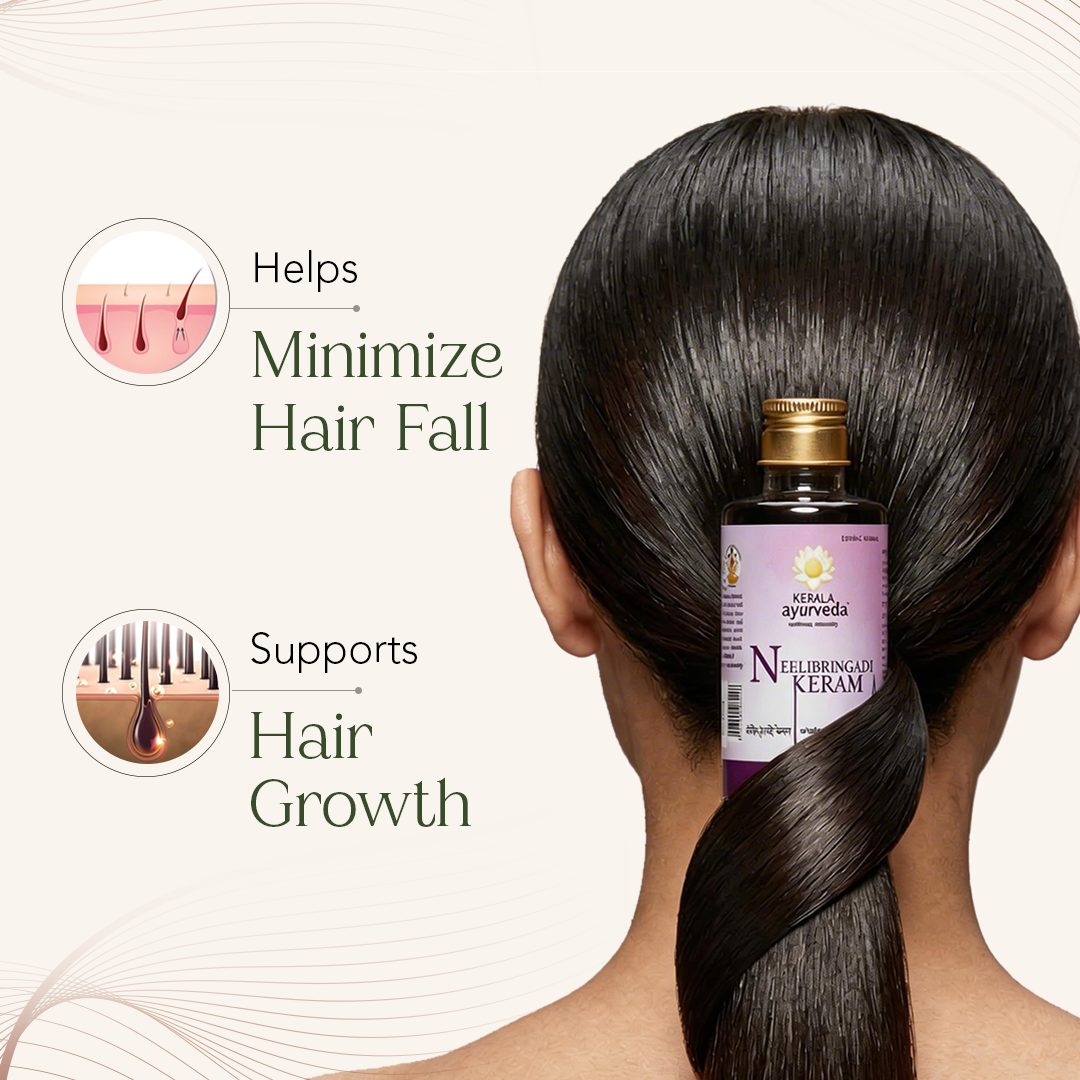
Use a light oil regularly on mid-lengths and ends. A few drops of bhringraj-based oil like Neelibhringadi Keram can reduce dryness and friction. Oils don’t permanently seal a split, but they coat rough areas, improve slip, and can make ends look smoother over weeks of consistent use.

Limit Further Stress
Limit heat and lower the setting. Air-dry when possible. If you use a dryer or iron, keep the temperature as low as gives an acceptable result, avoid repeated passes, and apply a protective leave-in or light oil layer first. This reduces moisture loss and surface wear.
Trim on a realistic schedule. If you already see branching or fraying, trimming is the only reliable way to stop that damaged section from splitting further upward. Many people do well with a small trim or “dusting” every 8 to 12 weeks, though heavily processed hair may need closer attention.
Reviewed by Ayurvedic Experts

Dr. Shweta Netke
BAMS, 15+ years of experience.
Medical Writer
Dr. Shweta Vijay Netke is an Ayurveda Doctor and expert with over 15 years of experience in Ayurveda, wellness, and beauty. She writes to make the timeless wisdom of Ayurveda simple, practical, and relevant to modern lifestyles.


MORE FROM AYURVEDA
Related articles
Why Young Adults Are Greying Earlier and What Ayurveda Says About It
Premature greying can involve genetics, stress, smoking, nutritional gaps, and thyroid-related issues. Ayurveda describes early greying as palitya and considers diet, digestion, lifestyle, and scalp...
A Step-by-Step Neelibhringadi Routine for Stronger, Healthier-Looking Hair
Neelibhringadi oiling works best as a gentle, consistent routine using an amount suited to the scalp. Sectioning the hair and applying oil directly to the...
Too Many Hair Products, Too Little Clarity: Can One Ayurvedic Oil Like Neelibhringadi Keram Do More?
The blog explores why hair fall, frizz, dandruff, and premature greying may stem from interconnected scalp concerns, rather than requiring separate solutions. It brings together...
Your Kitchen Already Holds the Cure: Everyday Indian Foods That Fight Hair Fall
Healthy hair starts with consistent nourishment, and everyday Indian meals can provide many of the nutrients it needs. Dal, curd, eggs, leafy greens, nuts, and...
Vata, Pitta, or Kapha: Are You Oiling Your Scalp the Wrong Way?
The blog explains how the right way to oil your scalp depends on your dosha and scalp condition. It explores how Vata, Pitta, and Kapha...
Taming Frizz Naturally: 10 Simple Home Fixes That Last
Frizz often develops when a rough or damaged hair cuticle struggles to retain moisture and responds unevenly to humidity. Ayurveda associates this dryness with Vata....