

















Key Takeaways
Reviewed by Ayurvedic Experts

Dr. Shweta Netke
BAMS, 15+ years of experience.
Medical Writer
Dr. Shweta Vijay Netke is an Ayurveda Doctor and expert with over 15 years of experience in Ayurveda, wellness, and beauty. She writes to make the timeless wisdom of Ayurveda simple, practical, and relevant to modern lifestyles.
Did You Know?
"Stress-related hair shedding often starts two to three months after the stressful period, making the real trigger easy to miss."
Ayurvedic Scalp Care and Diet Tips for Healthier Hair in Humid Weather
Ayurvedic Scalp Oiling for Humid Weather
Once cleansing and drying habits are in place, Ayurveda adds a second layer: balance the scalp, not just the strands.
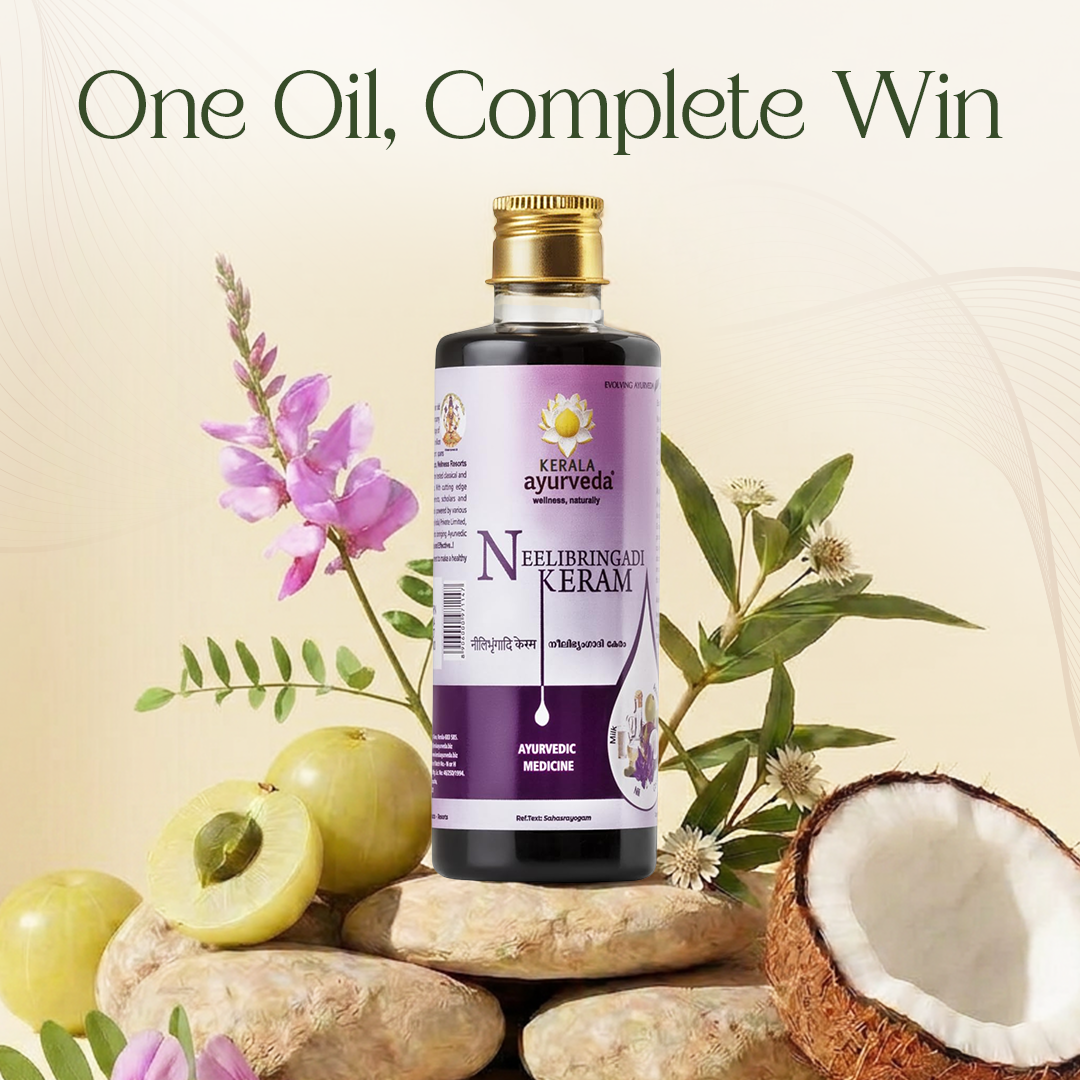
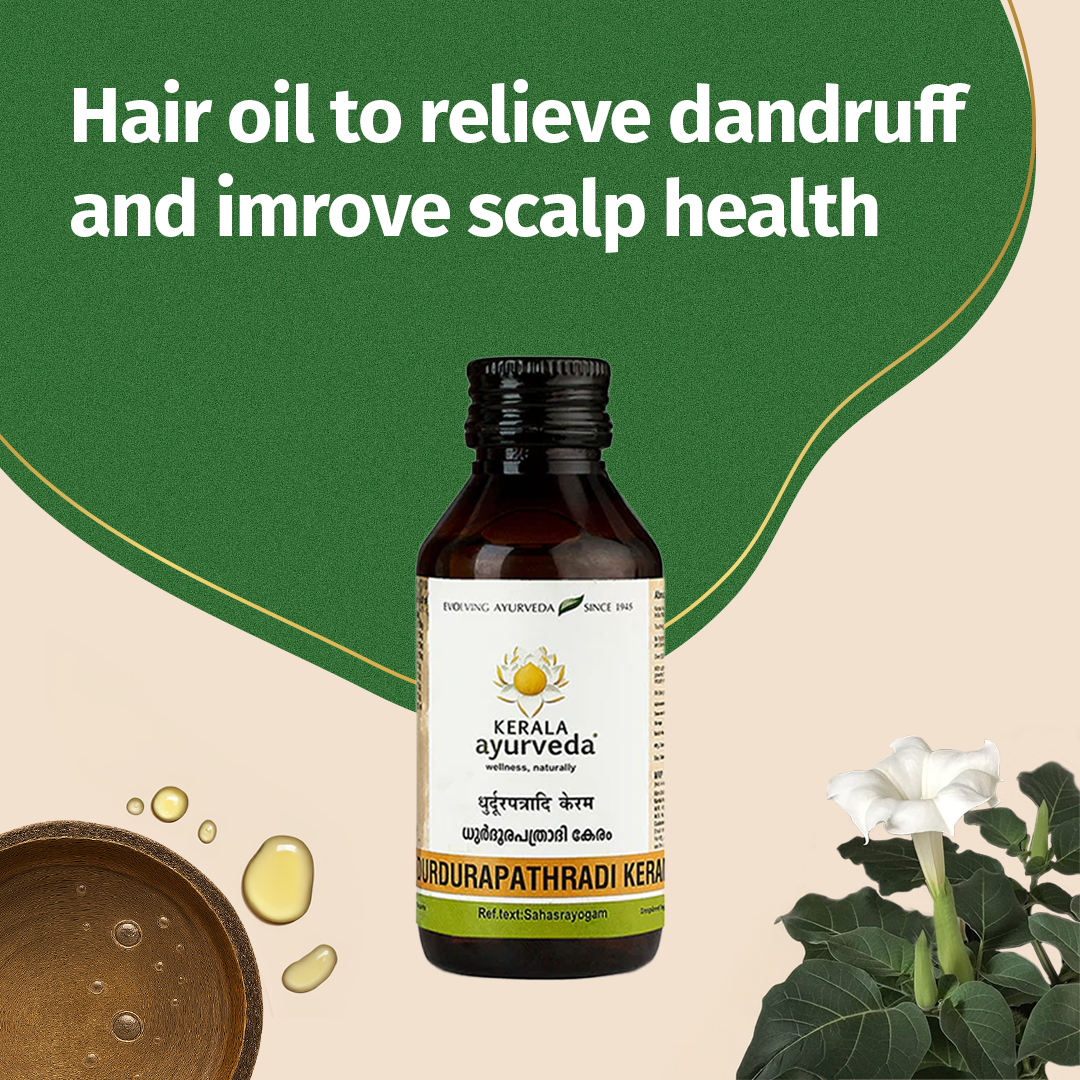
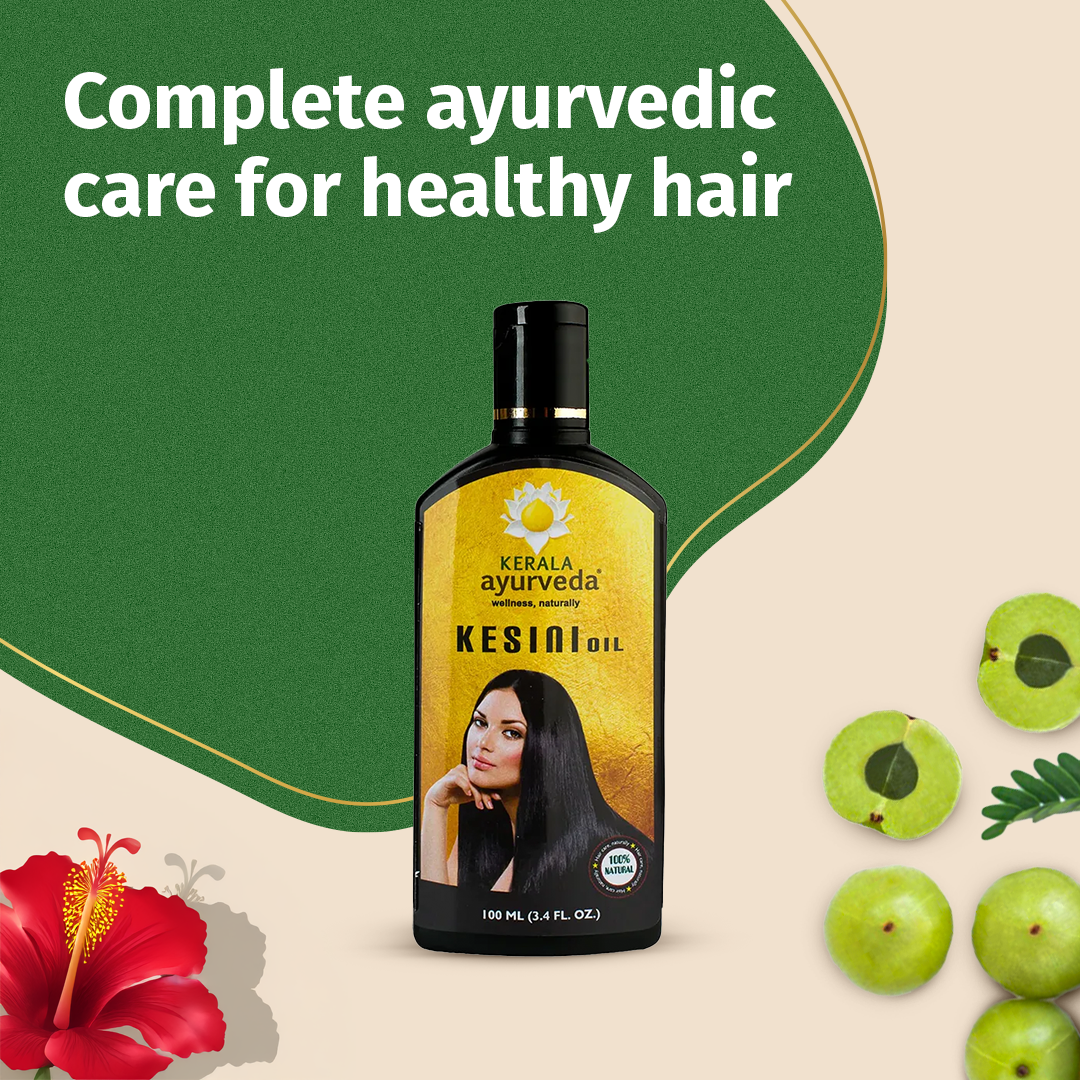
Hair health is shaped by all three doshas, but monsoon often combines kapha, pitta, and vata. The key here is using a light, non-greasy oil on a clean, dry scalp. Bhringraj-infused coconut oil like Neelibringadi Keram works well. If flakes or itching are common, neem or amla-infused oil may suit some people better.

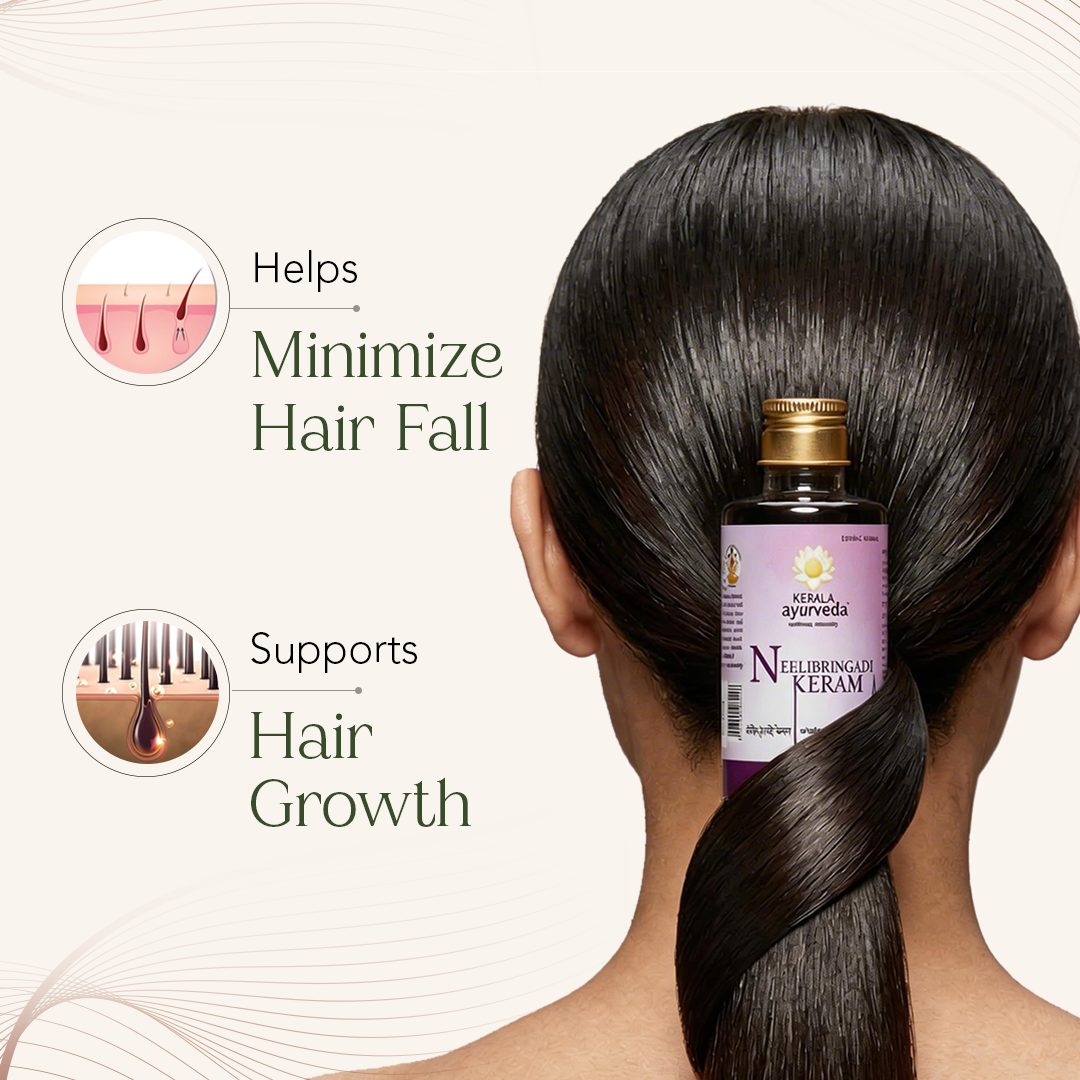
Here’s the approach to using the oil: warm about 5-10 ml of oil, massage gently for three to five minutes, leave it on for 30-60 mins, then wash out. What this does is soften tight, dry scalp tissue while avoiding the sticky buildup that heavy oiling can worsen in humidity. You’re nourishing the scalp without feeding the conditions that cause problems in the first place.
In monsoon, keep oiling light and brief. If your
Diet Tips for Stronger Hair
Diet is central to Ayurvedic hair care because healthy kesha is seen as a reflection of how well the body is nourished at a deeper tissue level. Ayurveda traditionally links hair quality with Asthi Dhatu and emphasizes that nourishment must first be properly digested and assimilated before it can support the tissues. During monsoon, when digestion may feel sluggish, favor warm, freshly cooked, easy-to-digest meals with adequate protein and iron-rich foods such as moong dal, cooked lentils, sesame, dates, raisins, leafy greens, and a small amount of ghee.
To support Agni during humid weather, sip warm water and use gentle digestive spices such as cumin, coriander, fennel, or ginger according to your constitution. Avoid making meals excessively heavy, oily, or cold, especially if you already feel bloated or sluggish.
If Pitta signs become more noticeable such as excess scalp oiliness, heat, redness, or irritation, balance the diet with cooling foods such as amla, cucumber, coconut, coriander, and other naturally cooling, hydrating foods.
Monsoon hair care works best when it stays simple: cleanse according to your scalp’s needs, dry gently, avoid tying damp hair tightly, and keep oiling light if it suits your scalp. Pair these habits with balanced meals and consistent care throughout the season. If shedding keeps increasing or itching, redness, or patchy loss persists, seek professional guidance by an Ayurveda doctor rather than assuming the weather is the only cause. scalp is oily or sweaty, use only about 3-5 ml of oil, massage gently for 5–10 minutes, and wash it out after 30–60 minutes. Ayurveda supports oiling in Varsha Ritu to balance Vata, but heavy or overnight oiling may feel too occlusive on greasy or dandruff-prone


MORE FROM AYURVEDA
Related articles
From Dull to Shiny: Natural Ways to Transform Dry Hair at Home
Hair looks dull when moisture loss, cuticle damage, heat, friction, or buildup disrupt its smooth surface. The blog highlights gentle oiling, conditioning, careful handling, and...
Post-Delivery Hair Fall: How to Stop It Without Harsh Treatments
Postpartum hair fall is usually temporary shedding caused by hormonal changes after childbirth. The blog emphasises gentle handling, mild scalp oiling, balanced nourishment, hydration, and...
Hair Care for Men: The Everyday Routine for Healthier Hair
A simple, consistent routine supports men’s hair health through scalp-appropriate cleansing, gentle oiling, conditioning, and careful styling. The blog combines these habits with Ayurveda’s emphasis...
How to Regrow Hair Naturally: What Actually Works and What Doesn’t?
Hair regrowth takes months and depends on the hair cycle, nutrition, hormones, and overall health. The blog highlights gentle Ayurvedic oiling, balanced meals, regular sleep,...
Why Hair Growth Takes Months and What Progress Really Looks Like
Visible hair regrowth takes months because follicles move through growth, transition, and resting phases. Reduced shedding, less breakage, and improved scalp comfort may appear before...
Reasons for Hair Fall in Women and How to Control It
Hair fall in women can involve hormonal changes, heredity, nutritional gaps, stress, thyroid issues, and scalp conditions. The pattern of loss can offer clues, but...
Split Ends Won’t Fix Themselves, But Here’s How to Manage Them Naturally
Managing split ends starts with trimming damaged tips and protecting hair from further wear. Gentle detangling, conditioning, light oiling, and reduced heat and friction help...
A Step-by-Step Neelibhringadi Routine for Stronger, Healthier-Looking Hair
Neelibhringadi oiling works best as a gentle, consistent routine using an amount suited to the scalp. Sectioning the hair and applying oil directly to the...