











- 80+ Years of Heritage
Kerala Ayurveda has been a trusted name in authentic Ayurvedic healing for over 80 years, carrying forward the wisdom of Ayurveda while making it relevant to modern life. - A Full-Spectrum Ayurveda Organisation
Today, we serve over a million people across India and the US through wellness resorts, hospitals, clinics, academics, and manufacturing, all rooted in the timeless principles of Ayurveda’s 8,000-year-old science. - Knowledge Backed by Experience & Evidence
Our approach goes beyond classical Ayurvedic texts. We draw upon clinical experience, relevant research, and contemporary understanding to create responsible and practical health and wellness guidance. - Authenticity with Accessibility
We strive to make Ayurveda accessible and relevant to today’s consumers without compromising its authenticity or traditional foundations. - Safety First
Every recommendation is developed with safety as a priority, with potential contraindications and important precautions clearly communicated.
Key Takeaways
1. Men’s hair care works best with a simple, consistent routine.
2. Match washing and oiling to an oily, dry, or balanced scalp.
3. Avoid rough towel drying, tight styles, and heavy product buildup.
4. Balanced meals, regular sleep, and stress care support men’s hair health.
5. Watch for thinning at the temples or crown, and seek assessment for persistent or unusual hair loss.
Introduction
For most men, healthier hair starts with a simple routine done consistently, not a shelf full of products.
Ayurveda frames this idea through the concept that hair reflects the condition of the scalp and deeper nourishment from within. In modern terms, that means oil balance, irritation levels, diet, sleep, and daily habits all shape the environment around each hair follicle. So the real problem usually isn’t that you’ve missed some miracle fix. It’s that the basics have become inconsistent.
This guide covers the essentials: how to cleanse according to your scalp type, oil with a light hand, style without causing damage, and pay attention early when dandruff, thinning, or hair fall begin to show. We’ll also look at where a few grounded Ayurvedic habits fit naturally into that everyday routine.
Did You Know?
"In male-pattern hair loss, the follicle often doesn’t die at first it shrinks, so each new hair grows back finer and shorter before baldness becomes obvious."
Dandruff, Thinning, and Hair Fall: Common Male Hair Concerns to Watch
What’s Normal and What’s Not
Daily shedding isn’t the same as true hair loss. Most men lose some hair each day as part of the normal growth cycle, especially after washing or combing.
What deserves attention is a pattern: more hair on the pillow for weeks, a widening part, more scalp showing under bright light, or temples and crown slowly looking thinner.
Dandruff: More Than Just Flakes
Dandruff is another common trigger for concern. It often reflects an unhealthy scalp environment, excess oil, irritation, flaking, and itching working together. Ayurveda described this early as Darunaka, linking it with dryness, roughness, itching, cracking, and hair fall.
Modern understanding supports the idea that persistent scalp inflammation can worsen shedding and breakage. That’s why a good routine isn’t only cosmetic. Regular cleansing, gentle oiling suited to your scalp, and avoiding scratching or heavy buildup can reduce avoidable problems before they escalate.
Malassezia, a yeast naturally present on the scalp, is also associated with dandruff and seborrheic dermatitis when the scalp microbiome and barrier become disrupted, leading to flaking, itching, and inflammation.
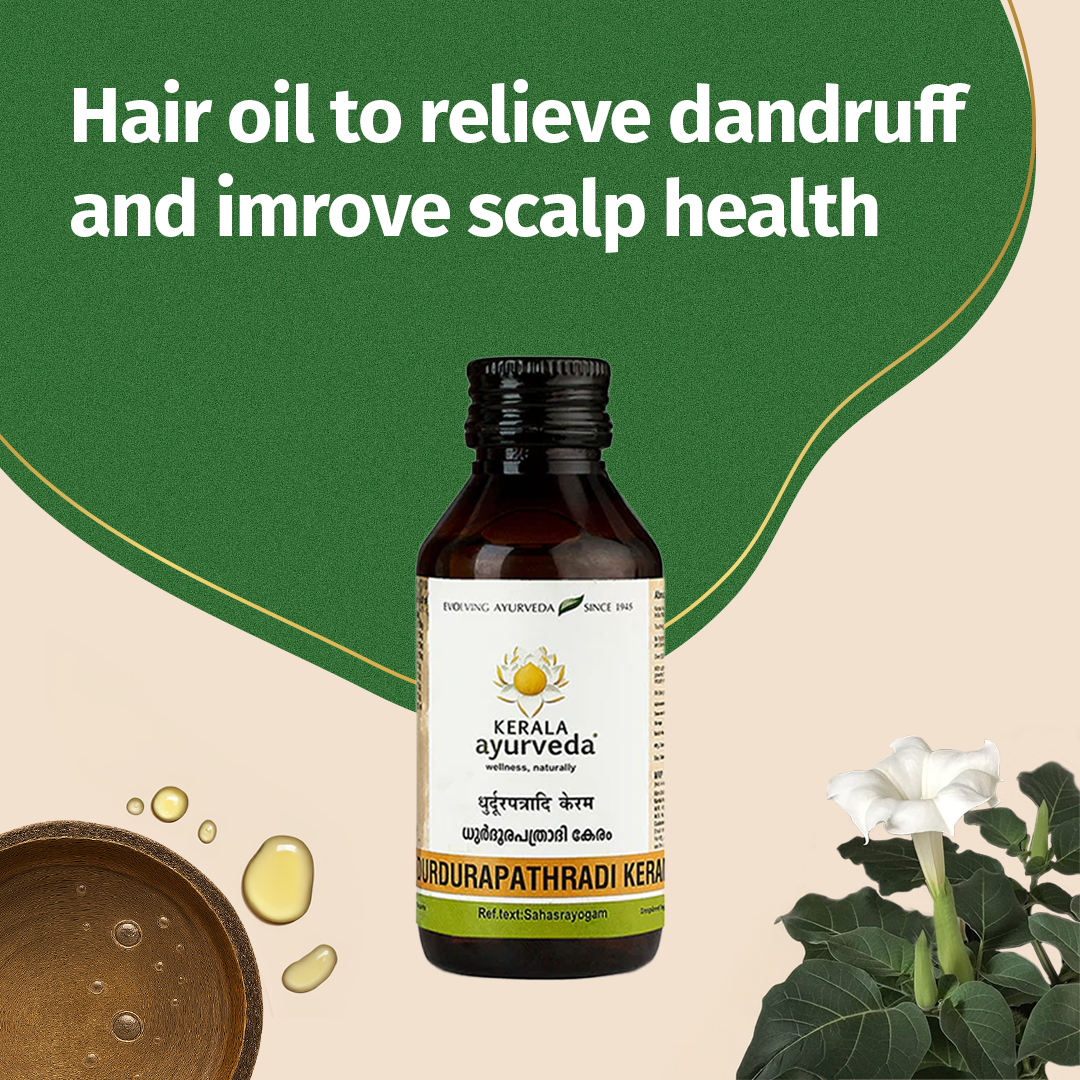
That’s why scalp care goes beyond cosmetics. Regular cleansing, scalp-appropriate oiling, and avoiding scratching or heavy buildup can help maintain a healthier scalp environment. If dandruff, flakes, and itching are your main concerns, consider Durdurapatradi Keram, an Ayurvedic formulation traditionally used for dandruff-prone and itchy scalps. Apply 5-10 ml before washing, leave on for about 30-60 minutes, and wash with a mild herbal shampoo.
Thinning vs. Temporary Shedding
Thinning follows a different pattern from temporary shedding. Stress, poor sleep, crash dieting, illness, and some medications can push more hairs into a resting phase, causing diffuse shedding across the scalp.
Male-pattern thinning is usually slower and more localized. Over time, DHT can shrink sensitive follicles so hair grows back finer and shorter. Early signs include recession at the temples, thinning at the crown, and reduced hair thickness rather than sudden clumps. Family history makes this more likely, but rough habits can still add to the loss: frequent heat, tight styles, aggressive rubbing, and untreated dandruff.
Ayurveda discusses progressive scalp hair loss under Khalitya. Classical descriptions associate it with aggravated Pitta and Vata affecting the hair roots, along with Kapha and Rakta obstructing normal hair growth. From this perspective, care focuses not only on the scalp but also on balancing Doshas, supporting tissue nourishment, and avoiding habits that aggravate heat, dryness, or scalp buildup.
Ayurveda also looks beyond the scalp. Regular meals with enough protein, iron, healthy fats, good hydration, consistent sleep, and stress management can all support healthier hair over time. A steady Dinacharya- daily routine helps make these habits sustainable.
Seek professional help if shedding is sudden, patchy, painful, or leaves red, scaly, or smooth shiny areas. For most everyday cases, though, early recognition and a steady routine make a real difference.
The Essential Daily Hair Care Routine Every Man Should Master
Most men don’t need a complicated system. They need a repeatable one.
Why the Scalp Comes First
That focus matters because the scalp is where hair follicles live. When it stays excessively oily, irritated, or covered with buildup, it disturbs the environment around the root. Ayurveda has long treated scalp care as foundational daily head oiling- Shiroabhyanga and routine care are described as supportive for stronger roots and healthier hair over time.
How Often Should You Wash?
Many men wash their hair every day because of sweat, dust, workouts, or regular use of styling products, but the ideal frequency depends on the condition of the scalp. In Ayurveda, hair care is not meant to follow a one-size-fits-all routine.
A scalp that becomes oily and sweaty quickly may benefit from more frequent cleansing to prevent excess buildup. On the other hand, if the scalp feels dry, tight, itchy, or irritated after washing, Ayurveda would generally favour a gentler routine that preserves the scalp’s natural moisture and oil balance.
The idea is simple: cleanse when the scalp needs it, but avoid over-washing, very hot water head bath, and harsh rubbing that can leave the scalp feeling stripped and aggravated.
Oiling, Washing, and Styling: The Hair Care Basics That Matter Most
Consistency matters more than product count. The goal is a sequence you can repeat without irritating the scalp or roughening the hair shaft.
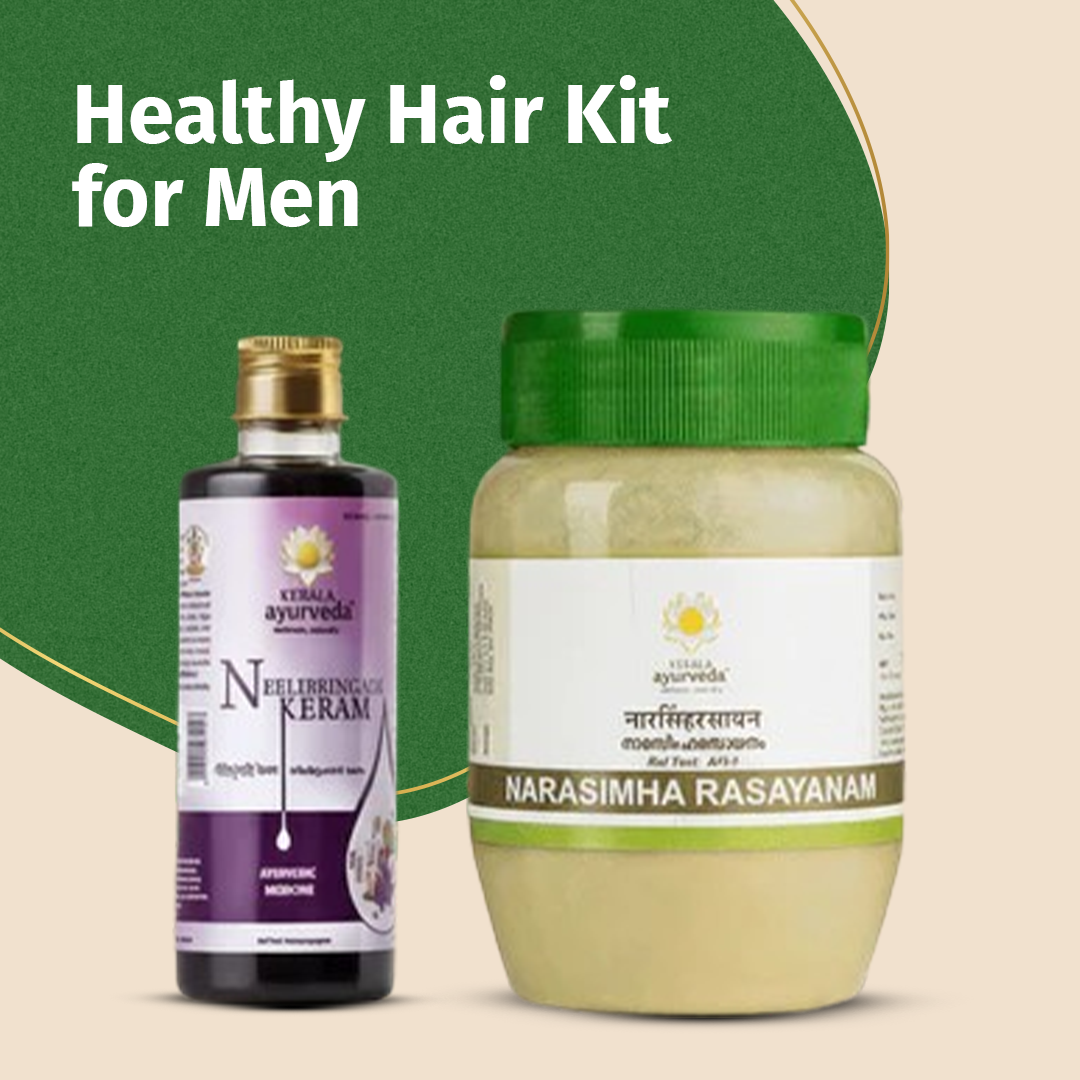
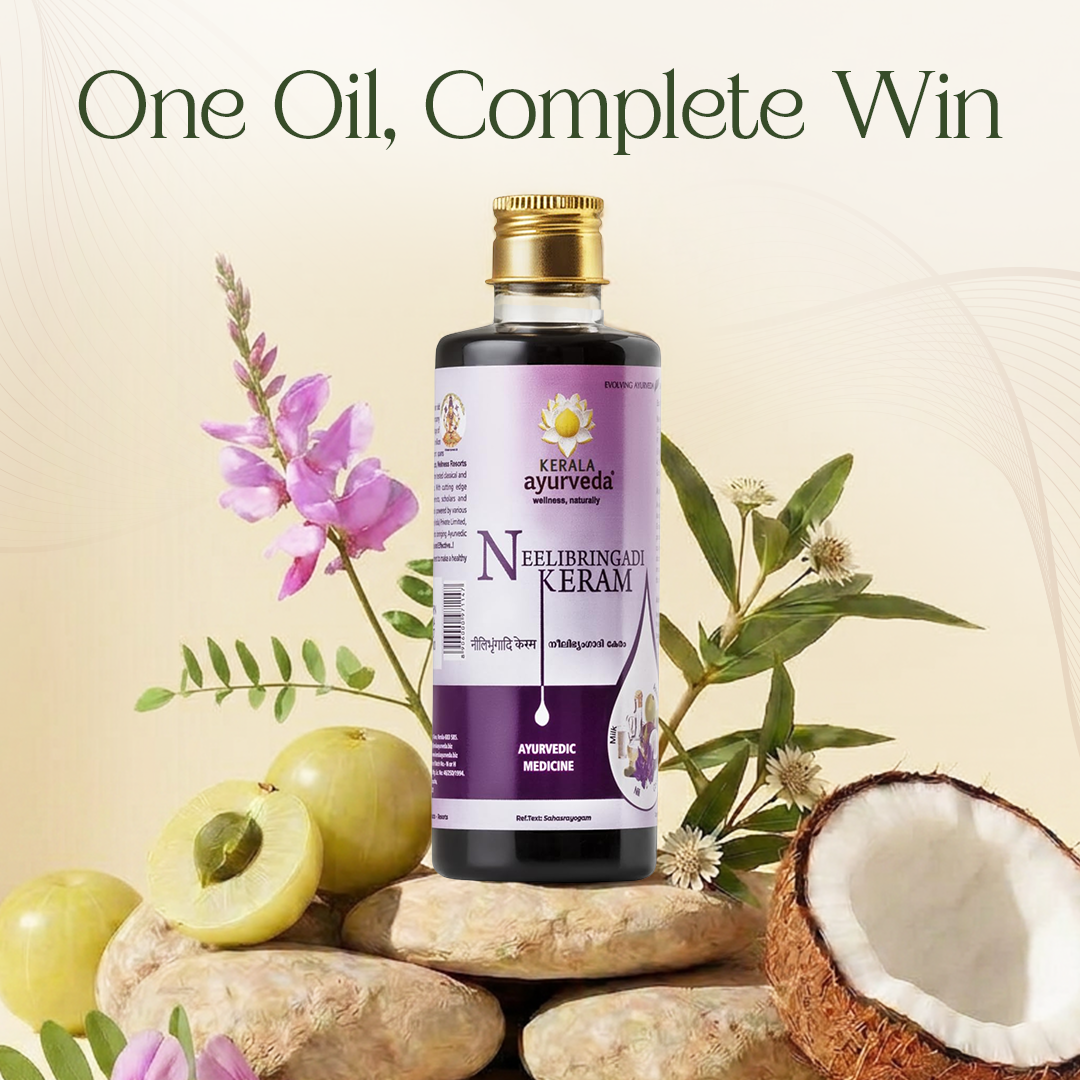
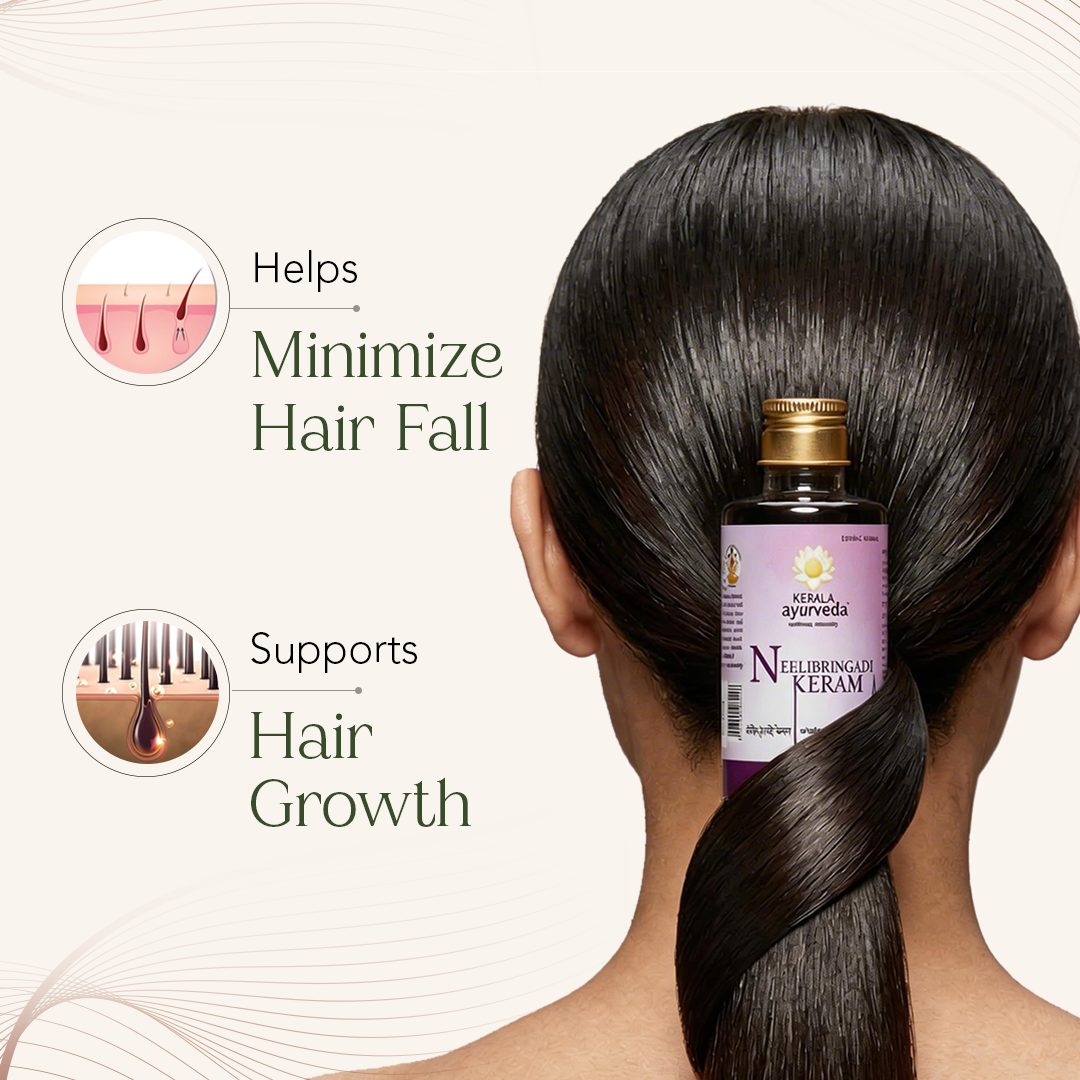
1. Choose the right quantity. If your scalp runs dry or feels tight or stretched, use a nourishing oil such as Neelibhringadi Keram two to three times weekly. If it’s balanced, once or twice weekly is enough. If it gets greasy fast, use a lighter amount and keep it mostly on the mid-lengths and ends only once a week or 10 days
2. Apply oil before washing. Warm 5-10 ml oil between your palms. Press it into the scalp with your fingertips, then spread the rest through the lengths. Massage gently for three to five minutes and don't scratch with fingernails. Let it sit about 30 minutes to 60 minutes at best. Longer contact may suit drier hair, but heavy overnight oiling can worsen buildup in some men with oily scalp.
3. Wash with a light hand. Wet hair fully with lukewarm (not hot) water. Cleanse the scalp and roots first, then let the rinse run through the lengths instead of scrubbing them. This lowers friction and helps preserve moisture. If you used more oil, a second gentle cleanse may be enough. Follow with conditioner on the lengths and ends, not the scalp.smoothening agent not nourishing like oil or cleansing like a shampoo. so the scalp doesn't need it.
4. Dry and style to protect the cuticle. The hair’s outer protective layer. Blot with a towel instead of rubbing.Air-dry vs blow-dry. For styling, avoid very tight looks, repeated pulling, and heavy layers of wax or gel that sit on the scalp or hair.
5. Set a weekly rhythm. Over-washing can dry the scalp and increase breakage, while washing too rarely can cause sweat and product buildup. Oily scalps may need daily or alternate-day cleansing; dry scalps, two to three times a week.
Once these basics are steady, it becomes easier to spot when dandruff, thinning, or hair fall is more than a routine issue.
Simple Ayurvedic Habits That Support Stronger, Healthier Hair for Men
Scalp Oiling with Gentle Massage
The most practical habit is scalp oiling with gentle massage. Traditional texts describe regular head oiling as supportive for stronger roots, better sleep, and less hair fall over time.
For men, Bhringraj stands out. It has a long Ayurvedic use history for hair weakness, thinning, and premature greying. Modern lab research suggests it has anti-inflammatory activity, which matters because ongoing scalp irritation can worsen shedding.
A simple option is Bhringraj oil or a classical infused oil such as Neelibhringadi Keram. Massage a small amount into the scalp with light pressure for three to five minutes, then wash as needed. How often? Usually one to three times weekly works well, depending on how dry or oily your scalp runs. Very oily or dandruff-prone scalps usually do better with lighter amounts and shorter contact time, while dry scalps may tolerate longer pre-wash oiling.
Diet and Daily Rhythm
A hair-nourishing diet combines targeted building blocks with Ayurvedic balance. Proteins (like lentils, eggs, or paneer) supply amino acids to synthesize hair keratin, while iron-rich foods (spinach, beetroot, jaggery) raise ferritin levels to drive root cell division. Healthy fats (A2 ghee, almonds, cold-pressed oils) reinforce the scalp barrier and soothe Vata. Meanwhile, amla pacifies Pitta while boosting iron absorption, sesame seeds deliver zinc for follicle repair, and soaked methi (fenugreek) provides lecithin to enhance strand elasticity and calm scalp inflammation.
This is less about a “hair superfood” and more about avoiding the common triggers of rough texture and shedding: skipped meals, crash dieting, dehydration, and poor sleep.
Dinacharya (a stable daily routine) is relevant here because sleep and stress change hormone signaling and inflammation around follicles.Aligning your daily routine with your body's natural clock reduces stress and supports healthy hair. Going to bed by 10:00 PM gives your body the deep rest it needs to repair itself and recharge. Sticking to regular meal times, a light breakfast around 8:00 AM, a main lunch between 12:00 PM and 2:00 PM, and an early dinner by 8:00 PM keeps your energy steady and your digestion working smoothly. Finally, spending just 10 minutes on slow, deep breathing at 7:00 AM or 9:30 PM calms your mind and boosts blood flow to your scalp.
Need help choosing the right support?
Consult online with our Ayurvedic experts for personalized health guidance.


MORE FROM AYURVEDA
Related articles
How to Regrow Hair Naturally: What Actually Works and What Doesn’t?
Hair regrowth takes months and depends on the hair cycle, nutrition, hormones, and overall health. The blog highlights gentle Ayurvedic oiling, balanced meals, regular sleep,...
Why Hair Growth Takes Months and What Progress Really Looks Like
Visible hair regrowth takes months because follicles move through growth, transition, and resting phases. Reduced shedding, less breakage, and improved scalp comfort may appear before...
Reasons for Hair Fall in Women and How to Control It
Hair fall in women can involve hormonal changes, heredity, nutritional gaps, stress, thyroid issues, and scalp conditions. The pattern of loss can offer clues, but...
Split Ends Won’t Fix Themselves, But Here’s How to Manage Them Naturally
Managing split ends starts with trimming damaged tips and protecting hair from further wear. Gentle detangling, conditioning, light oiling, and reduced heat and friction help...
A Step-by-Step Neelibhringadi Routine for Stronger, Healthier-Looking Hair
Neelibhringadi oiling works best as a gentle, consistent routine using an amount suited to the scalp. Sectioning the hair and applying oil directly to the...
Vata, Pitta, or Kapha: Are You Oiling Your Scalp the Wrong Way?
The blog explains how the right way to oil your scalp depends on your dosha and scalp condition. It explores how Vata, Pitta, and Kapha...
Why Young Adults Are Greying Earlier and What Ayurveda Says About It
Premature greying can involve genetics, stress, smoking, nutritional gaps, and thyroid-related issues. Ayurveda describes early greying as palitya and considers diet, digestion, lifestyle, and scalp...
Taming Frizz Naturally: 10 Simple Home Fixes That Last
Frizz often develops when a rough or damaged hair cuticle struggles to retain moisture and responds unevenly to humidity. Ayurveda associates this dryness with Vata....
Too Many Hair Products, Too Little Clarity: Can One Ayurvedic Oil Like Neelibhringadi Keram Do More?
The blog explores why hair fall, frizz, dandruff, and premature greying may stem from interconnected scalp concerns, rather than requiring separate solutions. It brings together...