














Key Takeaways
Introduction
Let’s say it bluntly: no, a hair growth serum can’t replace hair oil! They’re built for different jobs. Serums work inside the scalp to nourish hair roots, while oils coat the hair to lock in moisture, calm the scalp, and keep strands strong so they don't break.
Ayurveda teaches that healthy hair depends not only on the root, but also on scalp comfort and protection. When Vata rises from stress, overwashing, heat styling, or irregular routines, the scalp can feel tight and the hair shaft becomes easier to damage. That’s where the confusion starts: serums are built to target the scalp with concentrated actives, while oils help reduce dryness, friction, and breakage along the length.
So the real question isn’t which one is better. It’s which job needs to be done. This article walks through the functional differences, explains why oiling still holds an essential place, and then shows you how to combine both for better results.
Hair Growth Serum vs Hair Oil: Key Functional Differences and Targeted Benefits

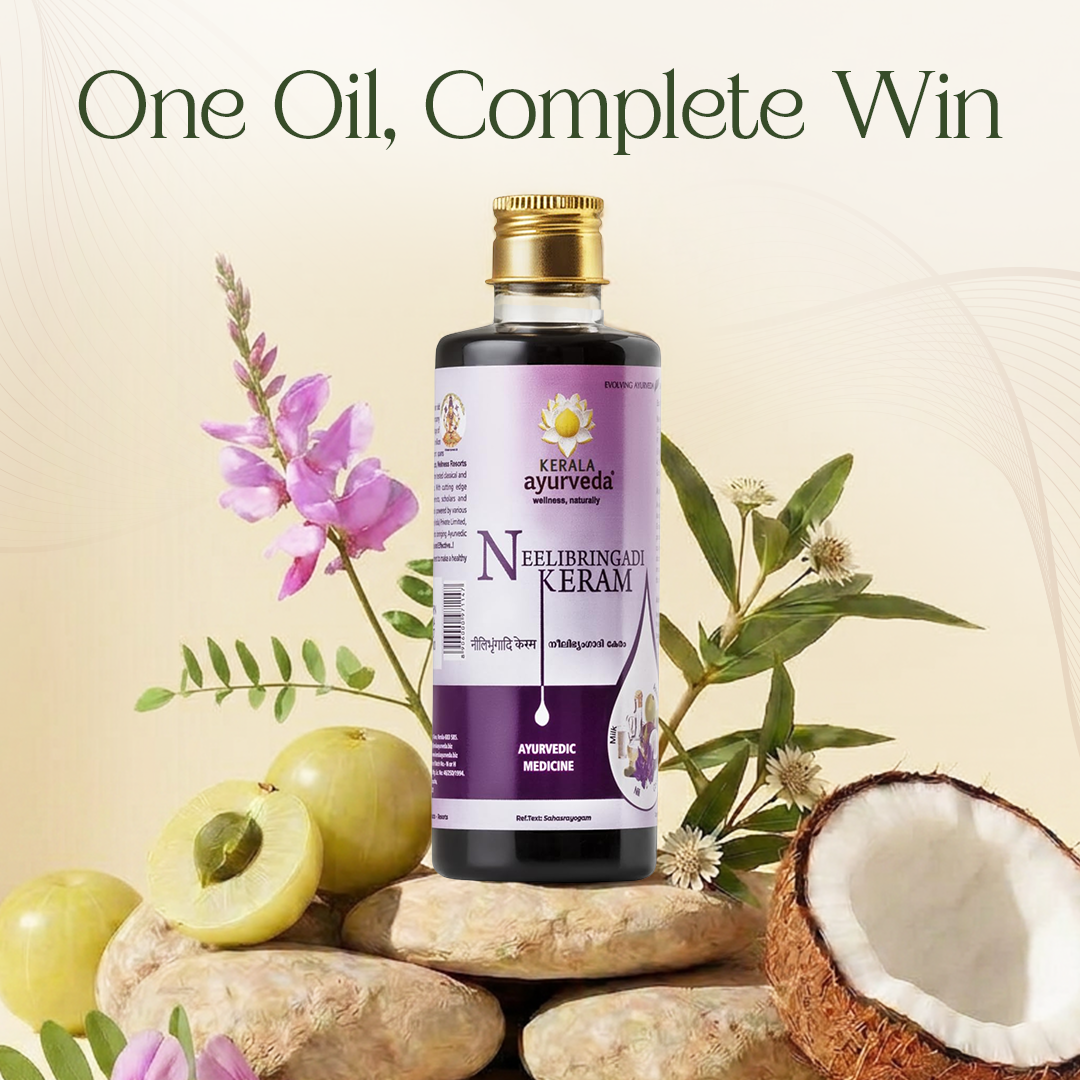
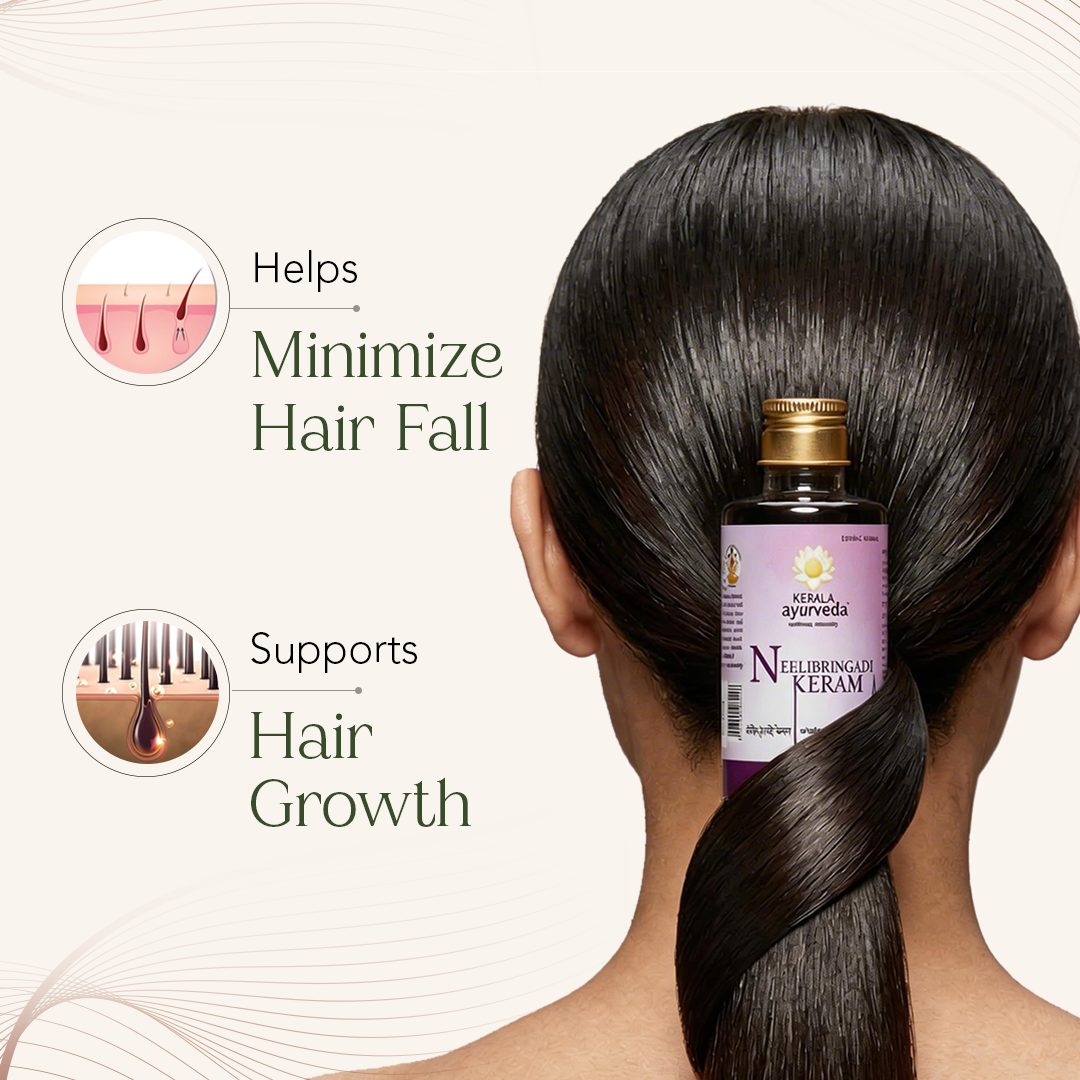
Ayurveda has long treated oiling as part of Dinacharya. Classical taila formulations like Nilibhringadi Keram contain pure coconut oil with herbs such as Bhringaraj,Neeli, Amla, and Yashtimadhu for hair-root support. A serum, by contrast, is a more recent tool useful, but doing something fundamentally different. That’s where the comparison naturally shifts: once you see oil as the scalp-and-shaft protector, it becomes easier to see where targeted serum actives may add value on top.
So How Do You Choose?
Plenty of people do best with both. And once you see that serums target the scalp with actives, it becomes much easier to understand why oil still holds an essential place.
Oiling isn’t an outdated alternative to serum. It does a different job, and for many scalp types it remains foundational.
Reviewed by Ayurvedic Experts

Dr. Shweta Netke
BAMS, 15+ years of experience.
Medical Writer
Dr. Shweta Vijay Netke is an Ayurveda Doctor and expert with over 15 years of experience in Ayurveda, wellness, and beauty. She writes to make the timeless wisdom of Ayurveda simple, practical, and relevant to modern lifestyles.
Did You Know?
"A serum’s lightweight feel does not reveal how effective it is. Fast absorption and a non-greasy finish describe the texture, not proof of hair growth."
Need help choosing the right support?
Consult online with our Ayurvedic experts for personalized health guidance.
 Request Consultation


MORE FROM AYURVEDA
Related articles
Rice Water vs Bhringraj: Viral Hair Hack Meets Ayurvedic Tradition
Rice water mainly offers temporary smoothing of the hair strands, while Bhringraj-based oils such as Neelibhringadi Keram are traditionally used for ongoing scalp and hair...
Rosemary Oil, Onion Juice or Neelibhringadi Keram: What’s the Difference?
The blog compares rosemary oil, onion juice, and Neelibhringadi Keram, highlighting differences in their ingredients, evidence, and traditional use. It emphasises choosing care based on...
Hair Fall in Monsoon: Why It Happens and How to Prevent It
Monsoon hair fall can appear worse when humidity, scalp buildup, and wet-hair breakage add to normal shedding. The blog emphasises regular cleansing, thorough drying, gentle...
How to Control Hair Fall: Causes and the Best Hair Fall Solution That Works
Increasing hair fall can involve stress, nutritional gaps, hormonal changes, scalp conditions, and damaging hair-care habits. The blog emphasises identifying possible triggers and supporting hair...
From Dull to Shiny: Natural Ways to Transform Dry Hair at Home
Hair looks dull when moisture loss, cuticle damage, heat, friction, or buildup disrupt its smooth surface. The blog highlights gentle oiling, conditioning, careful handling, and...
Post-Delivery Hair Fall: How to Stop It Without Harsh Treatments
Postpartum hair fall is usually temporary shedding caused by hormonal changes after childbirth. The blog emphasises gentle handling, mild scalp oiling, balanced nourishment, hydration, and...
Hair Care for Men: The Everyday Routine for Healthier Hair
A simple, consistent routine supports men’s hair health through scalp-appropriate cleansing, gentle oiling, conditioning, and careful styling. The blog combines these habits with Ayurveda’s emphasis...