


















Key Takeaways
Reviewed by Ayurvedic Experts

Dr. Shweta Netke
BAMS, 15+ years of experience.
Medical Writer
Dr. Shweta Vijay Netke is an Ayurveda Doctor and expert with over 15 years of experience in Ayurveda, wellness, and beauty. She writes to make the timeless wisdom of Ayurveda simple, practical, and relevant to modern lifestyles.
Natural Remedies for Hair Fall: Rosemary vs Onion Juice vs Neelibhringadi Keram
These three are not interchangeable “natural” fixes for hair fall. Rosemary oil and onion juice are single-source topicals. Neelibhringadi Keram is a classical medicated oil built as a complete formulation. That difference matters when you’re trying to figure out which one actually fits your scalp and goals.

Selecting the Best Oil for Your Scalp Type, Hair Care Routine, and Realistic Goals
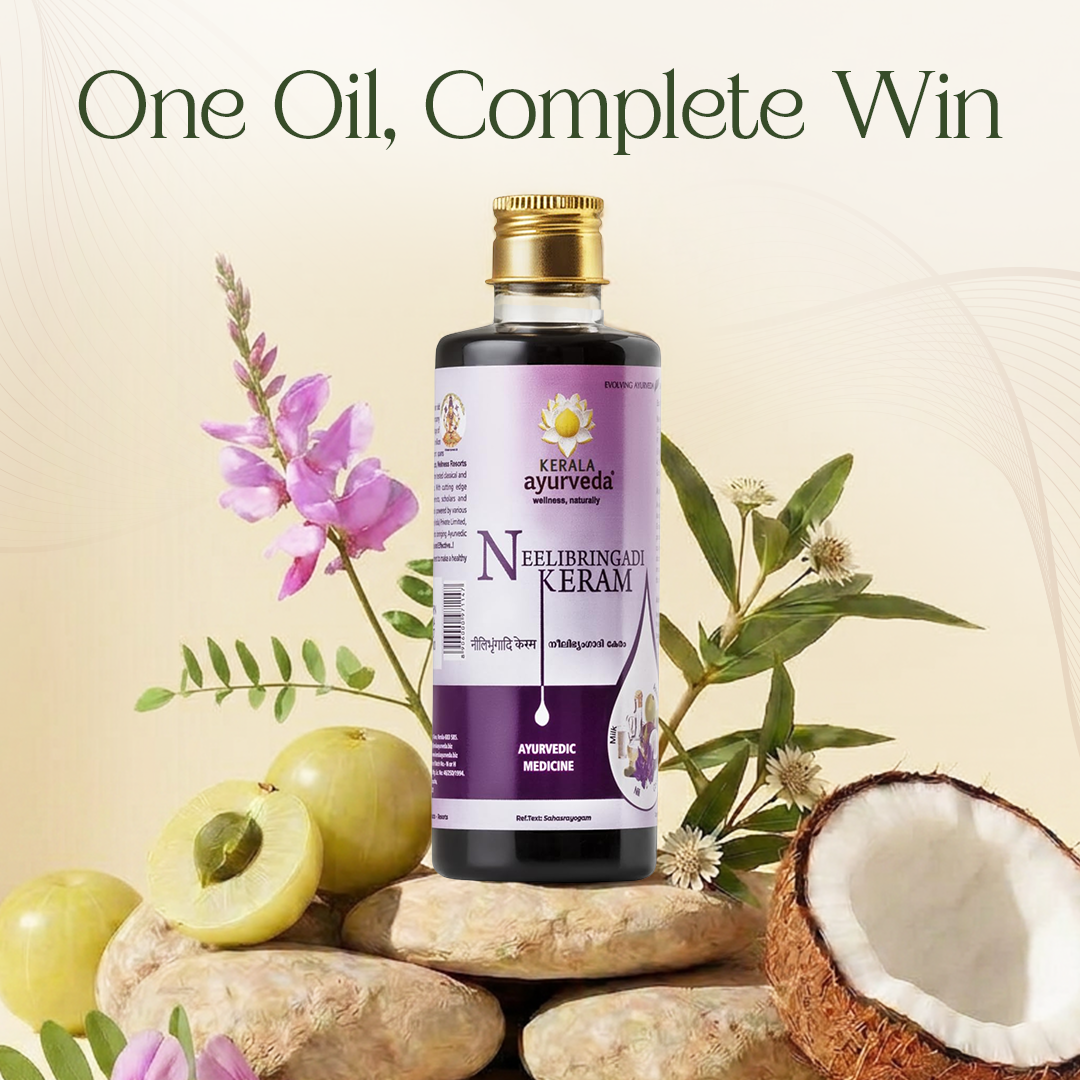
If your hair fall comes with dryness, brittle texture, scalp heat, or root weakness, a classical multi-herb oil may be a more suitable choice than a single-ingredient trend. Kerala Ayurveda Neelibringadi Keram is rooted in traditional formulation logic and is designed to support scalp comfort, strengthen roots, and help maintain natural hair quality over time.Warm 5-10 ml oil slightly before applying. Use your fingertips, not nails and massage for five to ten minutes. Honestly, the massage itself matters more than most people realize: consistent, gentle pressure improves circulation regardless of which oil you pick.
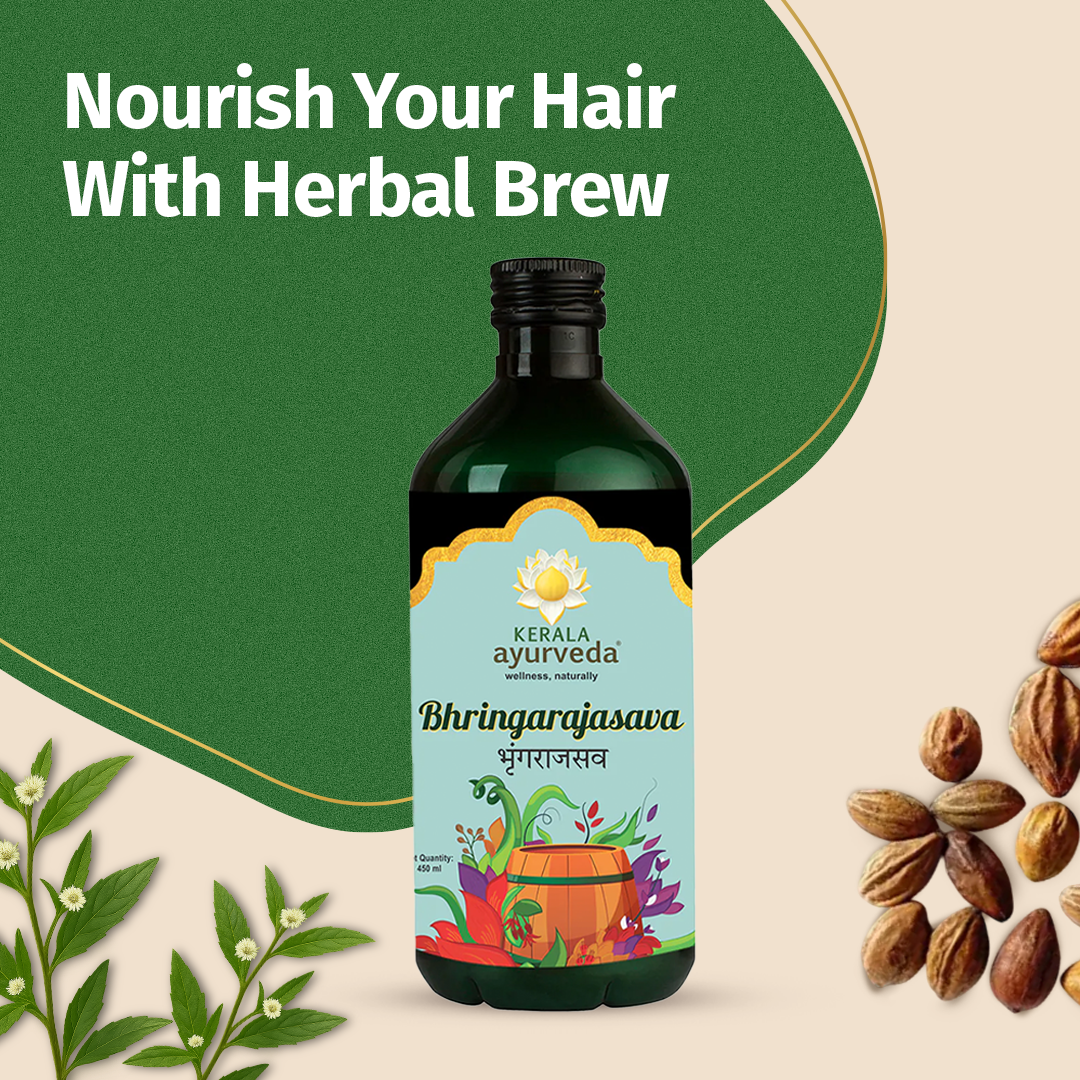
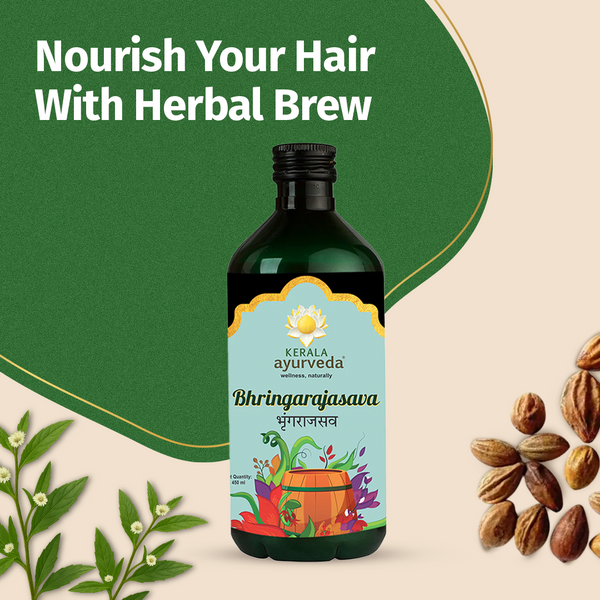
If you prefer a more complete inside-out approach, Kerala Ayurveda Bhringarajasava can be considered alongside your external hair routine to support healthy hair and scalp from within. Together, these options may suit people looking for more rounded care rather than a one-note topical experiment.
As the article explains, no oil works the same way for every scalp. The best results usually come from matching the product to your hair type, using it consistently, and giving it enough time. If your shedding is persistent, sudden, patchy, or accompanied by irritation, it may be worth speaking with an Ayurvedic expert before choosing your next step.



MORE FROM AYURVEDA
Related articles
How to Control Hair Fall: Causes and the Best Hair Fall Solution That Works
Increasing hair fall can involve stress, nutritional gaps, hormonal changes, scalp conditions, and damaging hair-care habits. The blog emphasises identifying possible triggers and supporting hair...
Hair Fall in Monsoon: Why It Happens and How to Prevent It
Monsoon hair fall can appear worse when humidity, scalp buildup, and wet-hair breakage add to normal shedding. The blog emphasises regular cleansing, thorough drying, gentle...
From Dull to Shiny: Natural Ways to Transform Dry Hair at Home
Hair looks dull when moisture loss, cuticle damage, heat, friction, or buildup disrupt its smooth surface. The blog highlights gentle oiling, conditioning, careful handling, and...
Post-Delivery Hair Fall: How to Stop It Without Harsh Treatments
Postpartum hair fall is usually temporary shedding caused by hormonal changes after childbirth. The blog emphasises gentle handling, mild scalp oiling, balanced nourishment, hydration, and...
Hair Care for Men: The Everyday Routine for Healthier Hair
A simple, consistent routine supports men’s hair health through scalp-appropriate cleansing, gentle oiling, conditioning, and careful styling. The blog combines these habits with Ayurveda’s emphasis...
How to Regrow Hair Naturally: What Actually Works and What Doesn’t?
Hair regrowth takes months and depends on the hair cycle, nutrition, hormones, and overall health. The blog highlights gentle Ayurvedic oiling, balanced meals, regular sleep,...
Why Hair Growth Takes Months and What Progress Really Looks Like
Visible hair regrowth takes months because follicles move through growth, transition, and resting phases. Reduced shedding, less breakage, and improved scalp comfort may appear before...
Reasons for Hair Fall in Women and How to Control It
Hair fall in women can involve hormonal changes, heredity, nutritional gaps, stress, thyroid issues, and scalp conditions. The pattern of loss can offer clues, but...
Split Ends Won’t Fix Themselves, But Here’s How to Manage Them Naturally
Managing split ends starts with trimming damaged tips and protecting hair from further wear. Gentle detangling, conditioning, light oiling, and reduced heat and friction help...
A Step-by-Step Neelibhringadi Routine for Stronger, Healthier-Looking Hair
Neelibhringadi oiling works best as a gentle, consistent routine using an amount suited to the scalp. Sectioning the hair and applying oil directly to the...
Vata, Pitta, or Kapha: Are You Oiling Your Scalp the Wrong Way?
The blog explains how the right way to oil your scalp depends on your dosha and scalp condition. It explores how Vata, Pitta, and Kapha...
Why Young Adults Are Greying Earlier and What Ayurveda Says About It
Premature greying can involve genetics, stress, smoking, nutritional gaps, and thyroid-related issues. Ayurveda describes early greying as palitya and considers diet, digestion, lifestyle, and scalp...
Taming Frizz Naturally: 10 Simple Home Fixes That Last
Frizz often develops when a rough or damaged hair cuticle struggles to retain moisture and responds unevenly to humidity. Ayurveda associates this dryness with Vata....