









- 80+ Years of Heritage
Kerala Ayurveda has been a trusted name in authentic Ayurvedic healing for over 80 years, carrying forward the wisdom of Ayurveda while making it relevant to modern life. - A Full-Spectrum Ayurveda Organisation
Today, we serve over a million people across India and the US through wellness resorts, hospitals, clinics, academics, and manufacturing, all rooted in the timeless principles of Ayurveda’s 8,000-year-old science. - Knowledge Backed by Experience & Evidence
Our approach goes beyond classical Ayurvedic texts. We draw upon clinical experience, relevant research, and contemporary understanding to create responsible and practical health and wellness guidance. - Authenticity with Accessibility
We strive to make Ayurveda accessible and relevant to today’s consumers without compromising its authenticity or traditional foundations. - Safety First
Every recommendation is developed with safety as a priority, with potential contraindications and important precautions clearly communicated.
Introduction
You bought an Ayurvedic knee oil, used it twice, and left it in the cupboard. The smell was too strong, warming it felt inconvenient, or it stained your kurta. Small frustrations like these can make regular application difficult. Choosing an oil therefore means finding something that suits both your knee and your everyday routine.
Ayurveda also considers how the discomfort feels. Dry, creaky stiffness that feels better with warmth is traditionally associated with Vata. Cold weather, overexertion, irregular meals, late nights, and prolonged sitting are considered aggravating factors within this framework.
Heat, redness, swelling, or a heavy, puffy feeling calls for a different assessment. Ayurveda discusses these patterns through Pitta and Ama-a traditional concept associated with incomplete digestion leading to metabolic byproducts.
So, before choosing a knee oil, it helps to look beyond the ingredients alone. How does your knee feel? Is massage appropriate? And will the product be comfortable enough to use consistently?
The Seven Questions
The following seven questions can help you compare knee oils, understand what fits your routine, and recognise when professional guidance should come first.
1. What is actually in the bottle?
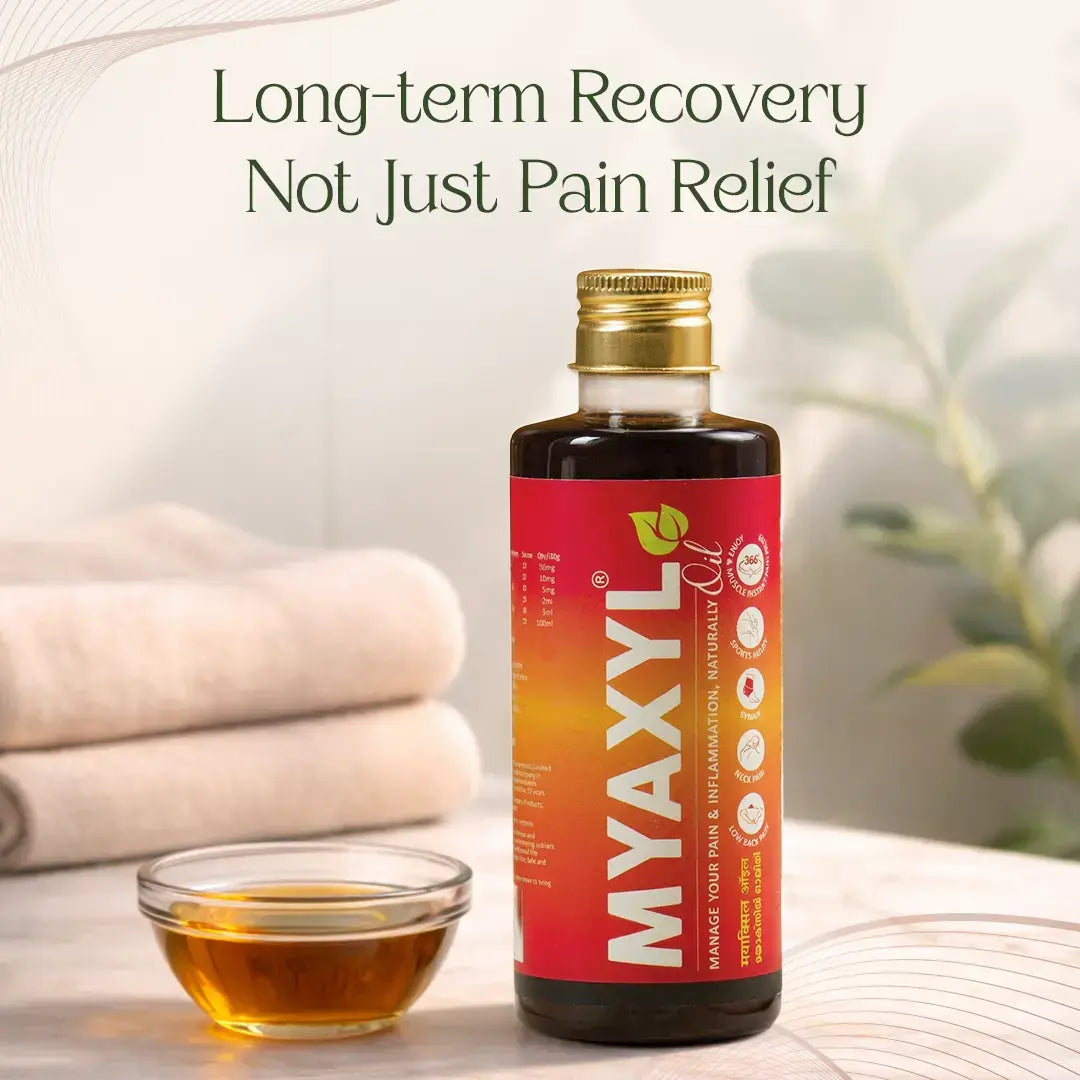
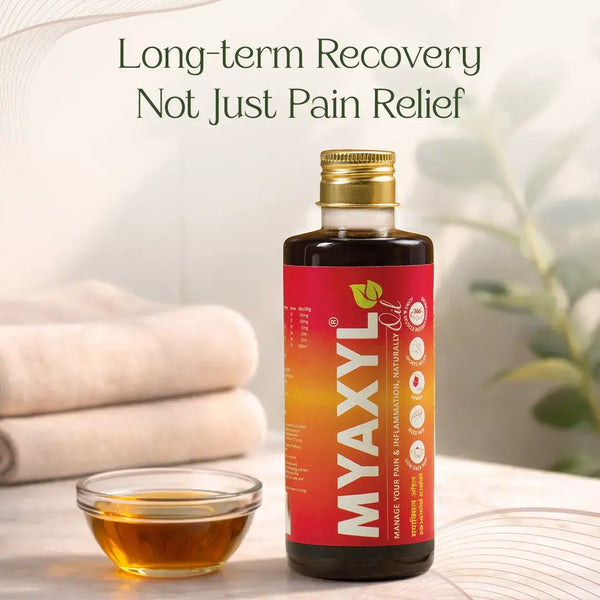
Is it a plain carrier oil, a classical medicated oil, or a formula built on menthol or methyl salicylate? Menthol and methyl salicylate give a quick cooling or warming sensation on the skin. Herbal oils rely on the plants and regular massage for steadier comfort. Just like Myaxyl Pain Relief Oil has a sesame base with potent herbs like Devadaru, Nandivriksha and Rasna, along with eucalyptus and lemongrass. Rasna and Devadaru are classical herbs for stiff, vata-type joints, valued for easing movement and calming soreness. Eucalyptus and lemongrass add a fresh, loosening feel, which is welcome when the knee is sore after a long day.
2. How is it made?
Traditional Ayurvedic oils (thailams) are not simple herbal blends they are crafted through Sneha Paka (or Thaila Paka), a slow, multi-day process where base sesame oil, herbal decoctions (Kashaya), and herbal pastes (Kalka) are simmered until all water evaporates. This precise thermal extraction binds oil-soluble plant compounds directly to the lipid matrix, allowing the oil to carry active herbs deeper into the skin layers during massage rather than sitting uselessly on the surface. When choosing an oil, prioritize classical processing over a long ingredient list or synthetic scents.
3. Which pattern does it fit?
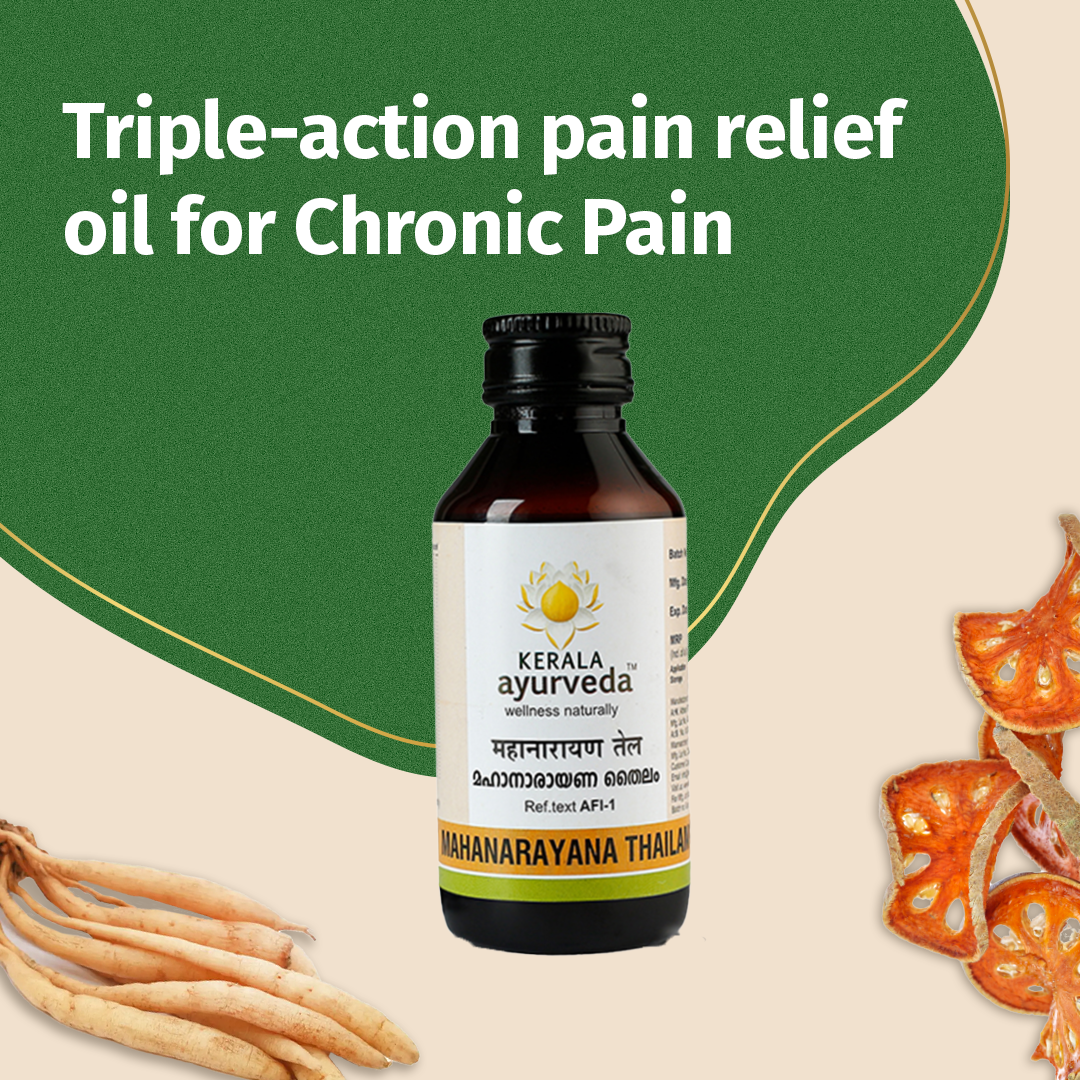
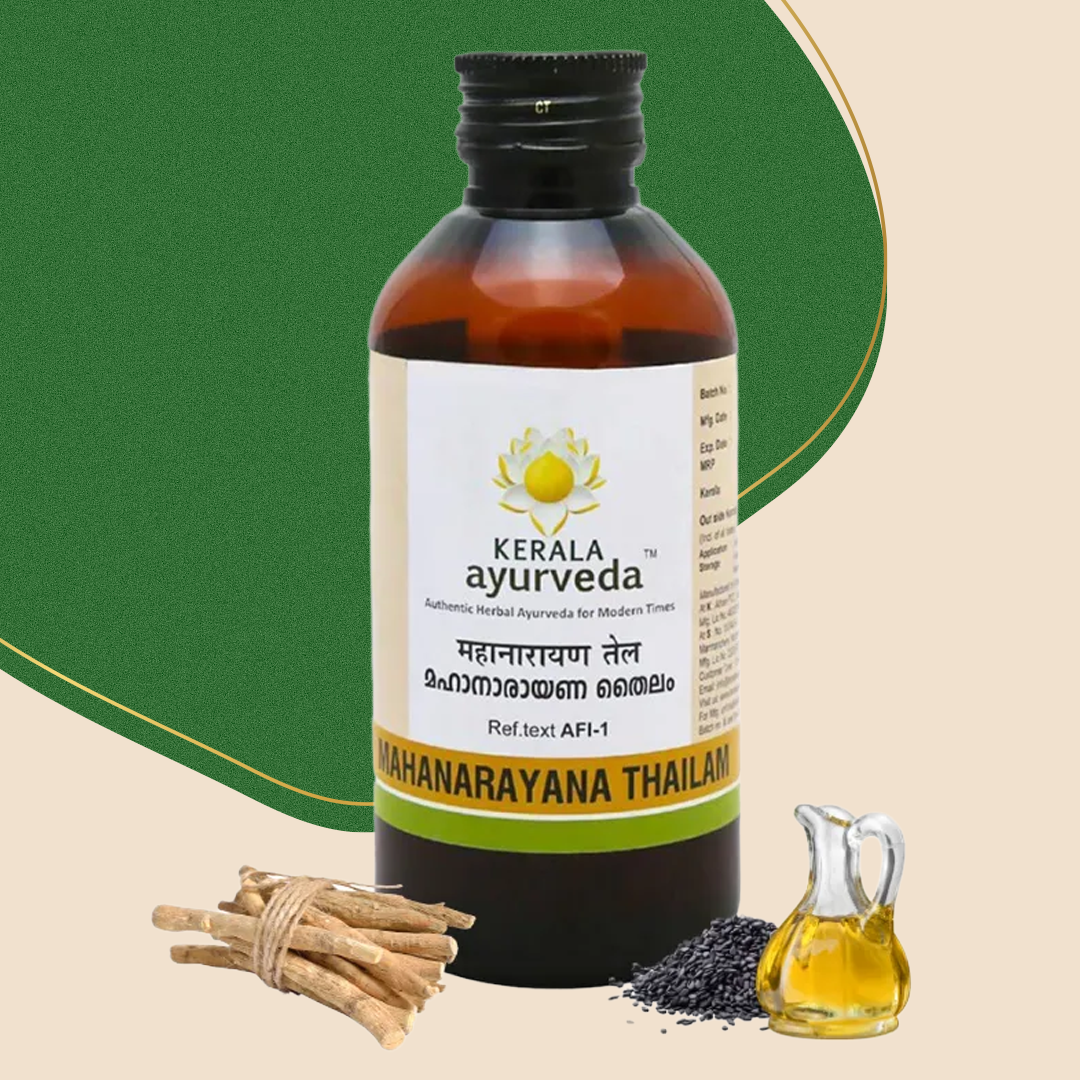
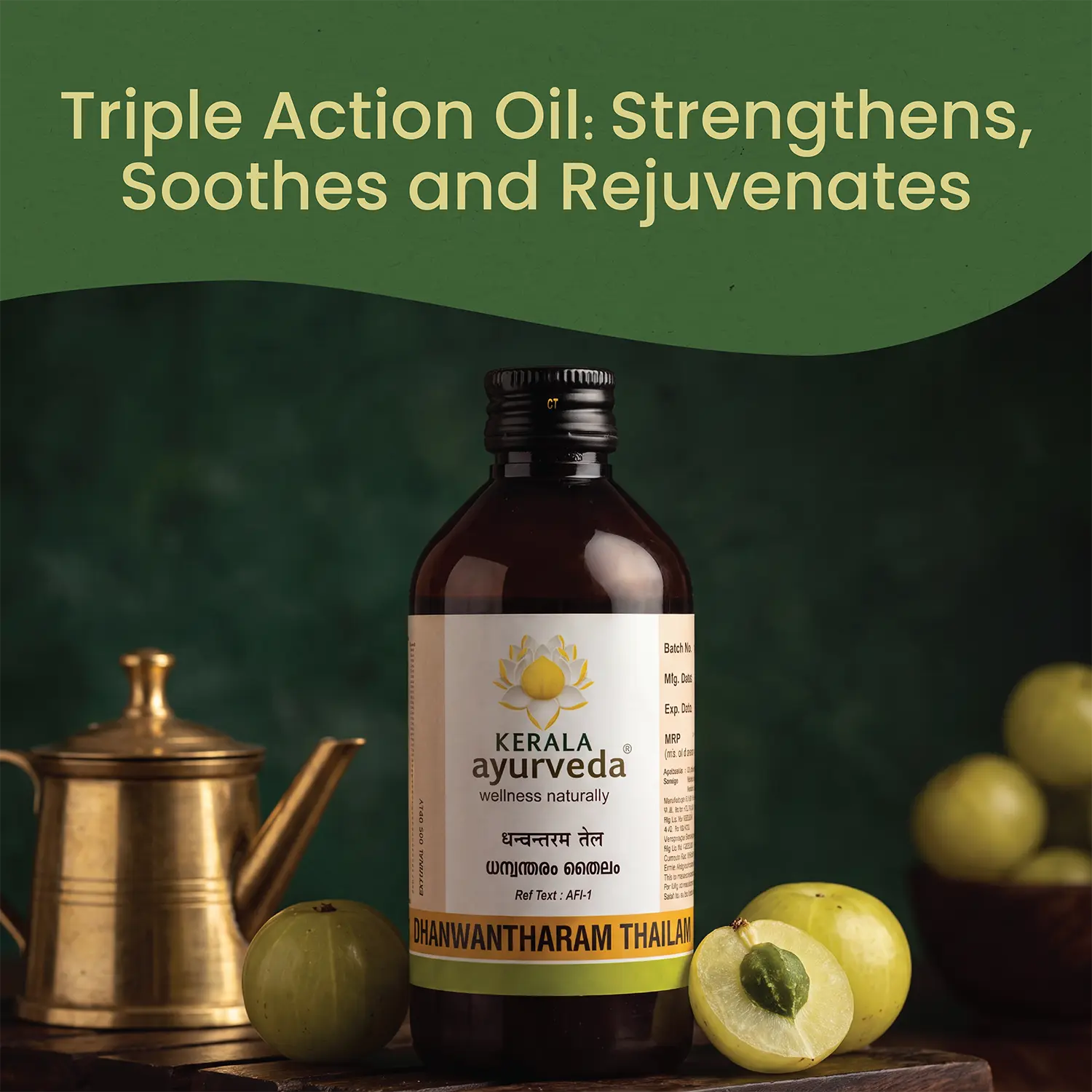
Dry stiffness and cracking, or heavy, puffy knees? Sesame-based, warming oils are favoured in Ayurveda for the dry, cold, vata pattern. Myaxyl is made for that stiff, dry, worse-in-cold knee, and for the soreness that follows a long day on your feet or a climb up the steps. For the oils a Vaidya may prescribe after seeing you in person, such as Dhanwantharam or Ksheerabala thailam or Myaxyl oil.
4. What is the base oil?
The base oil makes up most of the bottle, so it matters just as much as the herbs inside it. Sesame oil is the classic Ayurvedic choice for joints because it is naturally warming and absorbs remarkably well into the skin. Unlike heavier oils that just sit on top, sesame oil acts like a vehicle; it helps carry active herbal ingredients deeper into tight, stiff tissues while easing friction during a massage. Biologically, sesame oil is rich in essential fatty acids (linoleic and oleic acids) and powerful natural antioxidants like sesamol and sesamin, which help soothe localized inflammation and protect joint tissues. Choosing a sesame-based formula means you get a base that warms cold knees, improves local circulation, and keeps movement feeling smoother.
5. Does it need heating first?
Many oils are meant to be warmed in a bowl of hot water or on the stove before use, which is a big reason bottles go unused on busy mornings. Myaxyl needs no pre-heating. Rub it between your palms, and it warms with your hands which helps in easy absorption.
6. How does it feel on the skin?
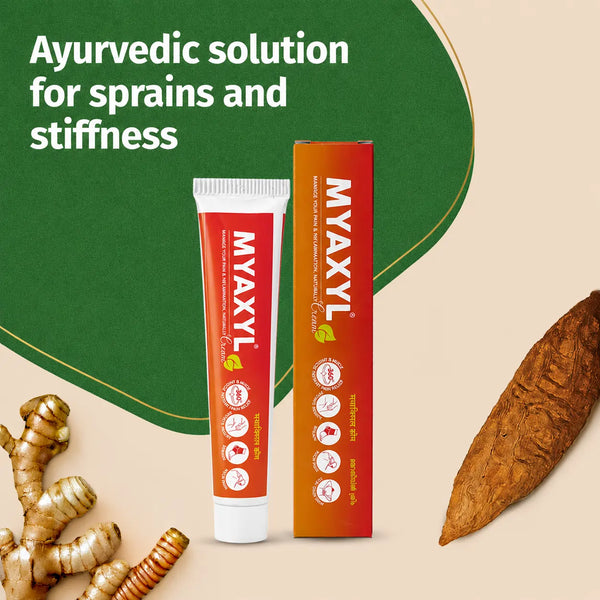
An oil that leaves a sticky film, stains clothes or smells heavy will not be used regularly. Myaxyl oil is fast absorbing and non-sticky, so you can apply it before leaving for work or after a bath and still put on your clothes. For a desk drawer, a handbag or a train journey, Myaxyl Cream is the quick option.
7. Can you really use it every day?
Yes, and consistency is what drives actual results. Medically, daily topical application combines gentle mechanical massage which boosts microcirculation and eases pain signals with a steady supply of plant compounds to calm local inflammation over time. Clinical studies show that improvements in joint stiffness and mobility accumulate over weeks of continuous use, not from a single session. Applying a small amount once or twice daily provides consistent tissue lubrication and better results.
Reviewed by Ayurvedic Experts

Dr. Shweta Netke
BAMS, 15+ years of experience.
Medical Writer
Dr. Shweta Vijay Netke is an Ayurveda Doctor and expert with over 15 years of experience in Ayurveda, wellness, and beauty. She writes to make the timeless wisdom of Ayurveda simple, practical, and relevant to modern lifestyles.
The Right Way to Apply Knee Oil
- Pick a regular time. After or before bath or even before bed works well, on clean, dry skin. This is a mini version of Abhyanga (oil massage), which Ayurveda treats as part of daily care for Vata.
- Take about 5-10 ml oil into your palms and rub them together. The oil warms from your hands, so no heating of the bottle or oil is needed.
- Massage gently in circles around the kneecap, with the knee supported and slightly bent, then use longer strokes above and below the knee toward the thigh and calf. This spreads the oil and encourages local blood flow without irritating the joint. Most oils work best with this kind of friction and warmth, not as a no-touch spot treatment. Keep pressure light, with no deep digging, for 3 to 5 minutes.
- Repeat once or twice daily. Warmth and easing often come within minutes, movement feels easier within the day, and recovery support builds from two weeks. If you feel no change after two weeks of regular use, book a consultation so an Ayurvedic Vaidya can look at your pattern.
Ayurveda also looks at daily routine called Dinacharya which includes warm, freshly cooked meals at regular times, ghee on rice or dal, sesame in chutneys or laddus, warm water through the day, a fixed bedtime around 10 pm and short walks between long spells of sitting all keep Vata steady. An oil works better on top of this.In a Kerala Ayurveda clinic, a Vaidya may go further: Snehana followed by Swedana and Janu basti. These are Vaidya-led treatments, not home steps. A Vaidya may also recommend herbs taken internally, such as Guggulu, Ashwagandha,Sallaki, Haridra, Sunthi and Maricha.
The right knee oil is one that suits your needs and fits comfortably into everyday life. Let these seven questions guide your choice, then build a simple routine around gentle application, suitable movement, and regular care.
Need help choosing the right support?
Consult online with our Ayurvedic experts for personalized health guidance.
 Request Consultation





MORE FROM AYURVEDA
Related articles
Is Your Hair Growth Serum Really a Replacement for Hair Oil?
Hair growth serums and hair oils serve different purposes: serums provide scalp-targeted ingredients, while oils mainly condition hair and help reduce dryness, friction, and breakage....
Rice Water vs Bhringraj: Viral Hair Hack Meets Ayurvedic Tradition
Rice water mainly offers temporary smoothing of the hair strands, while Bhringraj-based oils such as Neelibhringadi Keram are traditionally used for ongoing scalp and hair...
Rosemary Oil, Onion Juice or Neelibhringadi Keram: What’s the Difference?
The blog compares rosemary oil, onion juice, and Neelibhringadi Keram, highlighting differences in their ingredients, evidence, and traditional use. It emphasises choosing care based on...
Hair Fall in Monsoon: Why It Happens and How to Prevent It
Monsoon hair fall can appear worse when humidity, scalp buildup, and wet-hair breakage add to normal shedding. The blog emphasises regular cleansing, thorough drying, gentle...
How to Control Hair Fall: Causes and the Best Hair Fall Solution That Works
Increasing hair fall can involve stress, nutritional gaps, hormonal changes, scalp conditions, and damaging hair-care habits. The blog emphasises identifying possible triggers and supporting hair...
From Dull to Shiny: Natural Ways to Transform Dry Hair at Home
Hair looks dull when moisture loss, cuticle damage, heat, friction, or buildup disrupt its smooth surface. The blog highlights gentle oiling, conditioning, careful handling, and...
Post-Delivery Hair Fall: How to Stop It Without Harsh Treatments
Postpartum hair fall is usually temporary shedding caused by hormonal changes after childbirth. The blog emphasises gentle handling, mild scalp oiling, balanced nourishment, hydration, and...
Hair Care for Men: The Everyday Routine for Healthier Hair
A simple, consistent routine supports men’s hair health through scalp-appropriate cleansing, gentle oiling, conditioning, and careful styling. The blog combines these habits with Ayurveda’s emphasis...
How to Regrow Hair Naturally: What Actually Works and What Doesn’t?
Hair regrowth takes months and depends on the hair cycle, nutrition, hormones, and overall health. The blog highlights gentle Ayurvedic oiling, balanced meals, regular sleep,...
Why Hair Growth Takes Months and What Progress Really Looks Like
Visible hair regrowth takes months because follicles move through growth, transition, and resting phases. Reduced shedding, less breakage, and improved scalp comfort may appear before...
Reasons for Hair Fall in Women and How to Control It
Hair fall in women can involve hormonal changes, heredity, nutritional gaps, stress, thyroid issues, and scalp conditions. The pattern of loss can offer clues, but...
Split Ends Won’t Fix Themselves, But Here’s How to Manage Them Naturally
Managing split ends starts with trimming damaged tips and protecting hair from further wear. Gentle detangling, conditioning, light oiling, and reduced heat and friction help...
A Step-by-Step Neelibhringadi Routine for Stronger, Healthier-Looking Hair
Neelibhringadi oiling works best as a gentle, consistent routine using an amount suited to the scalp. Sectioning the hair and applying oil directly to the...
Vata, Pitta, or Kapha: Are You Oiling Your Scalp the Wrong Way?
The blog explains how the right way to oil your scalp depends on your dosha and scalp condition. It explores how Vata, Pitta, and Kapha...
Why Young Adults Are Greying Earlier and What Ayurveda Says About It
Premature greying can involve genetics, stress, smoking, nutritional gaps, and thyroid-related issues. Ayurveda describes early greying as palitya and considers diet, digestion, lifestyle, and scalp...
Taming Frizz Naturally: 10 Simple Home Fixes That Last
Frizz often develops when a rough or damaged hair cuticle struggles to retain moisture and responds unevenly to humidity. Ayurveda associates this dryness with Vata....
Too Many Hair Products, Too Little Clarity: Can One Ayurvedic Oil Like Neelibhringadi Keram Do More?
The blog explores why hair fall, frizz, dandruff, and premature greying may stem from interconnected scalp concerns, rather than requiring separate solutions. It brings together...
Your Kitchen Already Holds the Cure: Everyday Indian Foods That Fight Hair Fall
Healthy hair starts with consistent nourishment, and everyday Indian meals can provide many of the nutrients it needs. Dal, curd, eggs, leafy greens, nuts, and...
The Hair-Fall Mistake You May Be Making After Every Workout
Working out does not usually cause hair loss directly, but tight hairstyles, sweat buildup, and rough handling afterward can contribute to irritation and breakage. The...
Where and When Does Your Knee Hurt? The Pattern May Matter More Than You Think
Knee pain can have different causes depending on where it hurts and which movements trigger it. The blog combines these clues with Ayurveda’s traditional descriptions...
Knee Pain on Stairs? Your Knees May Be Telling You More Than You Think
Knee pain on stairs can reflect increased pressure around the kneecap, muscle weakness, or joint changes. This blog explains why descending often hurts more and...
How to Massage Oil Around a Painful Knee the Right Way
Gentle technique and consistency are central to the knee oil massage routine outlined in this blog. It explains how light strokes around the knee, thigh,...
Knees Stiff When You Wake Up? Here's What It Could Mean
Morning knee stiffness can follow hours of stillness, leaving the joint and surrounding tissues slow to move comfortably. This blog explores modern and Ayurvedic explanations...
Is Your Knee Warm, Swollen or Unstable? Don't Reach for Massage Just Yet
A warm, swollen, or unstable knee needs careful attention before massage. This blog explains how pain, swelling, and sudden changes in stability can guide the...
Why Do Knees Feel Stiffer With Age? An Ayurvedic Perspective
Knees stiffen with age as cartilage thins and the muscles around them weaken, and Ayurveda reads the same change as Vata rising in the later...
Knee Pain Exercises: When to Keep Moving and When to Ease Off
A sore knee usually does better with the right amount of movement than with complete rest or pushing through. The blog shows how to tell...
Back Pain Isn't One Problem: How to Read the Location, Triggers, and What to Do Next
Back pain between the shoulder blades, in the middle back or low down usually comes from different structures and different daily habits, and what sets...
Not All Joint Pain Feels the Same: An Ayurvedic Guide to Reading the Pattern
A Vaidya reads a painful knee by how it feels: dry and cracking, hot and red, or heavy and puffy. The blog explains how Ayurveda...
What Ayurveda Says About Knee Stiffness: Understanding Janu Sandhi and Sandhigata Vata
Ayurveda reads a stiff, creaky knee as Vata drying out the Janu Sandhi (knee joint), a pattern the classical texts call Sandhigata Vata. The blog...
Lower Back Pain After Sitting All Day? Here's What Your Body May Be Trying to Tell You
Hours of unbroken sitting keep your lower back under load, tighten your hips, and weaken the muscles that should support it. Learn how to read...
Does Warm Oil Help Lower Back Pain? What Massage Can and Can't Do
Gentle oil massage eases a stiff lower back because warmth, touch, light pressure and slow rhythm each help tight muscles relax. Learn how it works,...